

EasyJet’s quarterly profit plunges 70% on higher fuel costs
ENGLISH 23.07.2026 - 15:35, Güncelleme: 23.07.2026 - 15:35
 

EasyJet’s quarterly profit plunges 70% on higher fuel costs

Middle East conflict adds $140.3M to fuel bill as passenger numbers, load factor decline
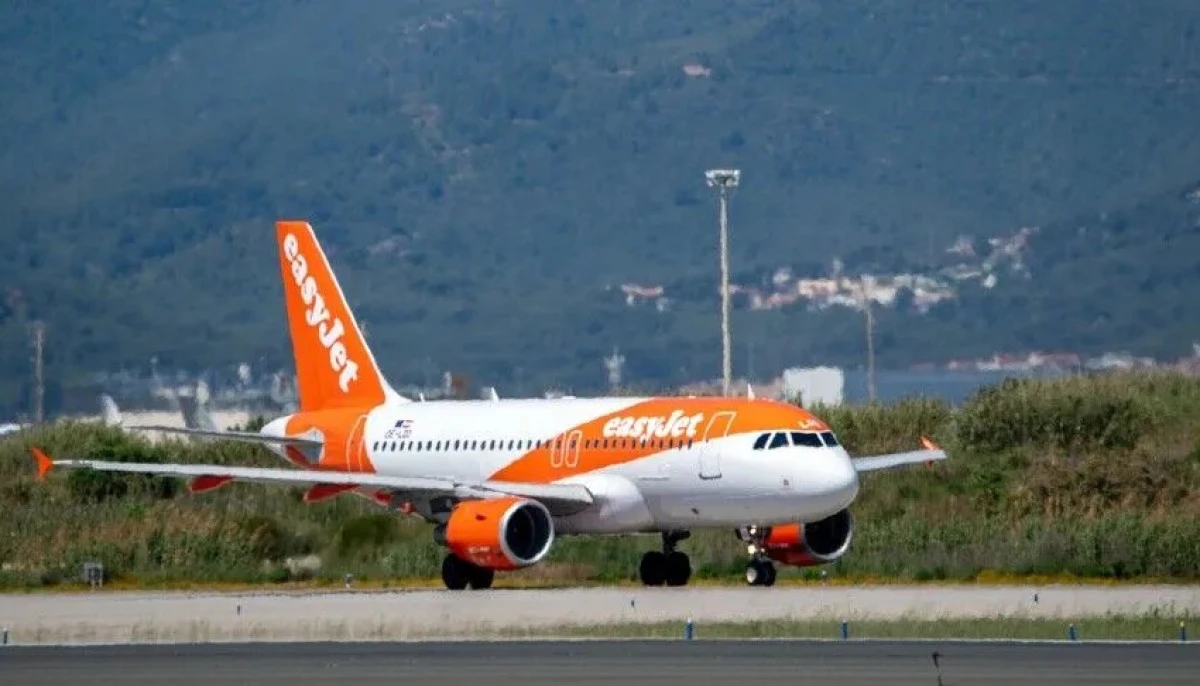
British low-cost carrier easyJet said Thursday that its pretax profit plunged 70% in its fiscal third quarter as the conflict in the Middle East drove fuel prices higher and weakened booking demand. Headline profit before tax fell to £85 million ($115 million) in the three months ended June 30, compared with £286 million in the same period last year, according to the airline’s trading update. Reported pretax profit also stood at £85 million. Fuel costs increased by £105 million ($140.3 million) year-on-year to £732 million, while fuel costs per available seat kilometer climbed 13%. The company said the increase was primarily caused by higher prices for the portion of its fuel consumption that was not hedged, with prices peaking at about $1,800 per metric ton in April. Group revenue rose 2% to nearly £3 billion. Passenger revenue declined 1% to £1.74 billion, while airline ancillary revenue increased 3% to £753 million and revenue from easyJet holidays climbed 14% to £489 million. The airline carried 25.8 million passengers during the quarter, broadly unchanged from 25.9 million a year earlier. The number of seats flown rose 1% to 29 million, but the load factor dropped 1.3 percentage points to 88.9%. EasyJet holidays generated £84 million in pretax profit, slightly below £86 million a year earlier. Excluding foreign exchange movements, the unit’s profit increased 7%, while customer numbers grew 8%. CEO Kenton Jarvis said attractive pricing continued to support strong last-minute demand, while the gap in summer load factors narrowed as consumer confidence improved. EasyJet said its full-year results would depend on remaining bookings and volatile fuel prices. It expects available seat-kilometer capacity to grow about 6% and seat capacity to increase around 3% in the 2026 financial year. The results come as easyJet faces competing takeover interest. US private equity firm Apollo Global Management has proposed paying £7.15 per share, valuing the airline at about £5.7 billion. EasyJet’s board said it was inclined to recommend Apollo’s proposal, which surpassed Castlelake’s £6.90-per-share offer, valuing the airline at about £5.5 billion. Apollo has until Aug. 7 to announce a firm offer or withdraw.
Middle East conflict adds $140.3M to fuel bill as passenger numbers, load factor decline

British low-cost carrier easyJet said Thursday that its pretax profit plunged 70% in its fiscal third quarter as the conflict in the Middle East drove fuel prices higher and weakened booking demand.

Headline profit before tax fell to £85 million ($115 million) in the three months ended June 30, compared with £286 million in the same period last year, according to the airline’s trading update. Reported pretax profit also stood at £85 million.

Fuel costs increased by £105 million ($140.3 million) year-on-year to £732 million, while fuel costs per available seat kilometer climbed 13%. The company said the increase was primarily caused by higher prices for the portion of its fuel consumption that was not hedged, with prices peaking at about $1,800 per metric ton in April.

Group revenue rose 2% to nearly £3 billion. Passenger revenue declined 1% to £1.74 billion, while airline ancillary revenue increased 3% to £753 million and revenue from easyJet holidays climbed 14% to £489 million.

The airline carried 25.8 million passengers during the quarter, broadly unchanged from 25.9 million a year earlier. The number of seats flown rose 1% to 29 million, but the load factor dropped 1.3 percentage points to 88.9%.

EasyJet holidays generated £84 million in pretax profit, slightly below £86 million a year earlier. Excluding foreign exchange movements, the unit’s profit increased 7%, while customer numbers grew 8%.

CEO Kenton Jarvis said attractive pricing continued to support strong last-minute demand, while the gap in summer load factors narrowed as consumer confidence improved.

EasyJet said its full-year results would depend on remaining bookings and volatile fuel prices. It expects available seat-kilometer capacity to grow about 6% and seat capacity to increase around 3% in the 2026 financial year.

The results come as easyJet faces competing takeover interest. US private equity firm Apollo Global Management has proposed paying £7.15 per share, valuing the airline at about £5.7 billion.

EasyJet’s board said it was inclined to recommend Apollo’s proposal, which surpassed Castlelake’s £6.90-per-share offer, valuing the airline at about £5.5 billion. Apollo has until Aug. 7 to announce a firm offer or withdraw.

Habere ifade bırak !
Habere ait etiket tanımlanmamış.
Okuyucu Yorumları (0)

Yorumunuz başarıyla alındı, inceleme ardından en kısa sürede yayına alınacaktır.

Yorum yazarak Topluluk Kuralları’nı kabul etmiş bulunuyor ve turkishpress.co.uk sitesine yaptığınız yorumunuzla ilgili doğrudan veya dolaylı tüm sorumluluğu tek başınıza üstleniyorsunuz. Yazılan tüm yorumlardan site yönetimi hiçbir şekilde sorumlu tutulamaz.
Sitemizden en iyi şekilde faydalanabilmeniz için çerezler kullanılmaktadır, sitemizi kullanarak çerezleri kabul etmiş saylırsınız.