

Every step says ‘never again’: Srebrenica’s annual journey of remembrance
ENGLISH 11.07.2026 - 21:26, Güncelleme: 11.07.2026 - 21:26
 

Every step says ‘never again’: Srebrenica’s annual journey of remembrance

More than 6,000 people from around the world walked the route taken by Muslim Bosniaks fleeing the 1995 genocide
As thousands of people completed the annual Peace March through the forests of eastern Bosnia, one young Bosniak woman said the only way to truly understand the Srebrenica genocide is to walk the same path her father took as a frightened teenager fleeing for his life. She never met the relatives killed in July 1995. Her grandfather, two uncles, cousins and many others from her village near Srebrenica were among the thousands murdered by Bosnian Serb forces. Her father survived by making the perilous journey through the mountains to safety in Tuzla city. “If anybody wants to see how the people crossed the forest from Srebrenica to reach safe territory, the Peace March shows that. My father was one of them in 1995. During the genocide, he went from Srebrenica to Tuzla … He was just 15 years old,” she told Anadolu, asking not to be named for privacy. “We need to share the stories about Srebrenica all around the world so that it never happens again. Never again.” Her sentiments echoed throughout commemorations marking the 31st anniversary of the Srebrenica genocide, where remembrance remains deeply personal for survivors and their descendants.   More victims laid to rest In July 1995, after Bosnian Serb forces overran the UN-declared safe area of Srebrenica, at least 8,372 Bosniak men and boys were systematically killed. Victims were separated from their families, taken to forests, warehouses and factories, executed, and buried in mass graves that were later dug up and scattered in an attempt to conceal the crime. More than three decades later, the search for victims continues. Authorities estimate that the remains of more than 1,000 people are still missing.     On Saturday, the remains of 10 newly identified victims were buried at the Potocari Memorial Cemetery, while more than 6,000 people from around the world completed the three-day Peace March, retracing in reverse the route taken by Bosniaks attempting to escape the massacre. The victims' coffins were carried on the shoulders of mourners on Friday from the former battery factory in Potocari – which served as a UN peacekeepers' base during the Bosnian war – to the adjacent memorial cemetery. The coffins had arrived on July 9 and remained inside the former factory before Saturday's burial ceremony. The newly buried victims were identified through years of forensic investigations and DNA analysis, with funerals held after the consent of their families. The youngest victim buried this year was Senad Jusic, who was 20 when he was killed, while the oldest was Ramo Dautovic, who was 56. The other victims were Muriz Barakovic, Hamed Music, Ramo Alic, Muhidin Osmanovic, Huso Cerimovic, Nuko Nukic, Ahmet Guster and Asim Kunic. With this year's burials, the number of victims laid to rest at the Potocari Memorial Cemetery has risen to 6,782. Amor Masovic, former director of Bosnia and Herzegovina's Institute for Missing Persons and now a member of parliament, said the brutality of the genocide continues to haunt families because many victims have never been recovered in full. "The vast majority of those buried here are incomplete: one, two, 10, 50 bones, but not 206, which is what they had when their mothers gave birth to them," he said.   Retracing the route of survival For many participants, the annual Peace March is both a tribute to those who died and an attempt to understand the ordeal endured by survivors. Known locally as the "Death March" route because of the killings that took place along it in July 1995, the roughly 100-kilometer trail has become a symbol of remembrance and survival. Participants began the march on July 8 in the town of Nezuk, walking about 35 kilometers each day before reaching Potocari on Friday, where they prayed for the victims ahead of Saturday's burial ceremony. Along the route, local Bosniak communities and aid organizations provided food, drinks and assistance at designated rest stops.     Former Turkish lawmaker Suleyman Gunduz, who attended the commemorations, said the annual gathering carries a message that extends far beyond Bosnia and Herzegovina. "Srebrenica and Potocari are places that can serve as an example for all humanity … Srebrenica will continue to be remembered for many years to come, and the dark shadow of the sin of Srebrenica will transcend time and place, following humanity until the Day of Judgment." For the families gathered in Potocari, however, remembrance is more than an annual ceremony. It is a continuing search for loved ones, a walk through history, and a determination that the world's worst atrocity in Europe since World War II is never forgotten.​​​​​​​
More than 6,000 people from around the world walked the route taken by Muslim Bosniaks fleeing the 1995 genocide

As thousands of people completed the annual Peace March through the forests of eastern Bosnia, one young Bosniak woman said the only way to truly understand the Srebrenica genocide is to walk the same path her father took as a frightened teenager fleeing for his life.

She never met the relatives killed in July 1995. Her grandfather, two uncles, cousins and many others from her village near Srebrenica were among the thousands murdered by Bosnian Serb forces. Her father survived by making the perilous journey through the mountains to safety in Tuzla city.

“If anybody wants to see how the people crossed the forest from Srebrenica to reach safe territory, the Peace March shows that. My father was one of them in 1995. During the genocide, he went from Srebrenica to Tuzla … He was just 15 years old,” she told Anadolu, asking not to be named for privacy.

“We need to share the stories about Srebrenica all around the world so that it never happens again. Never again.”

Her sentiments echoed throughout commemorations marking the 31st anniversary of the Srebrenica genocide, where remembrance remains deeply personal for survivors and their descendants.


More victims laid to rest

In July 1995, after Bosnian Serb forces overran the UN-declared safe area of Srebrenica, at least 8,372 Bosniak men and boys were systematically killed. Victims were separated from their families, taken to forests, warehouses and factories, executed, and buried in mass graves that were later dug up and scattered in an attempt to conceal the crime.

More than three decades later, the search for victims continues. Authorities estimate that the remains of more than 1,000 people are still missing.
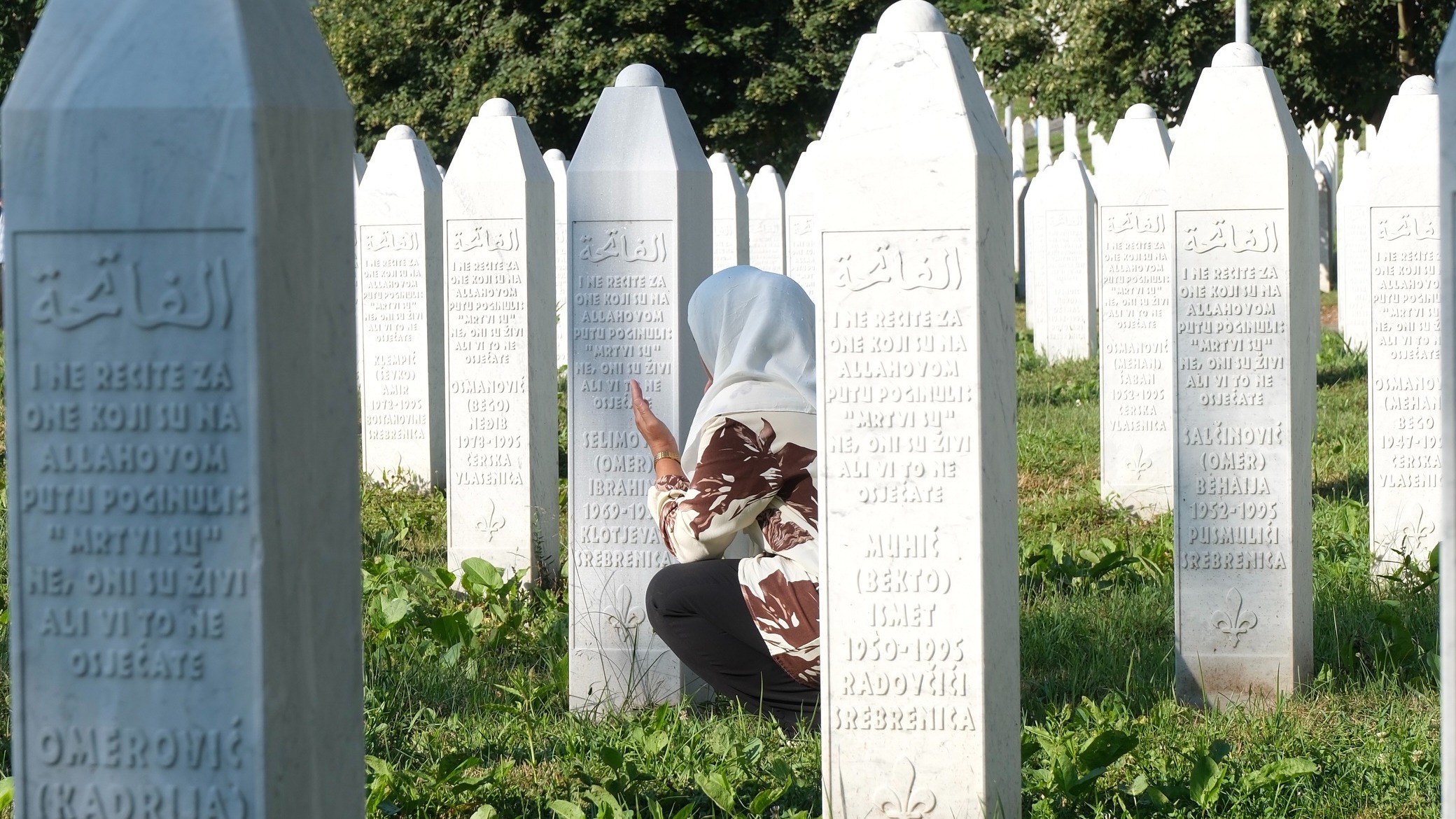


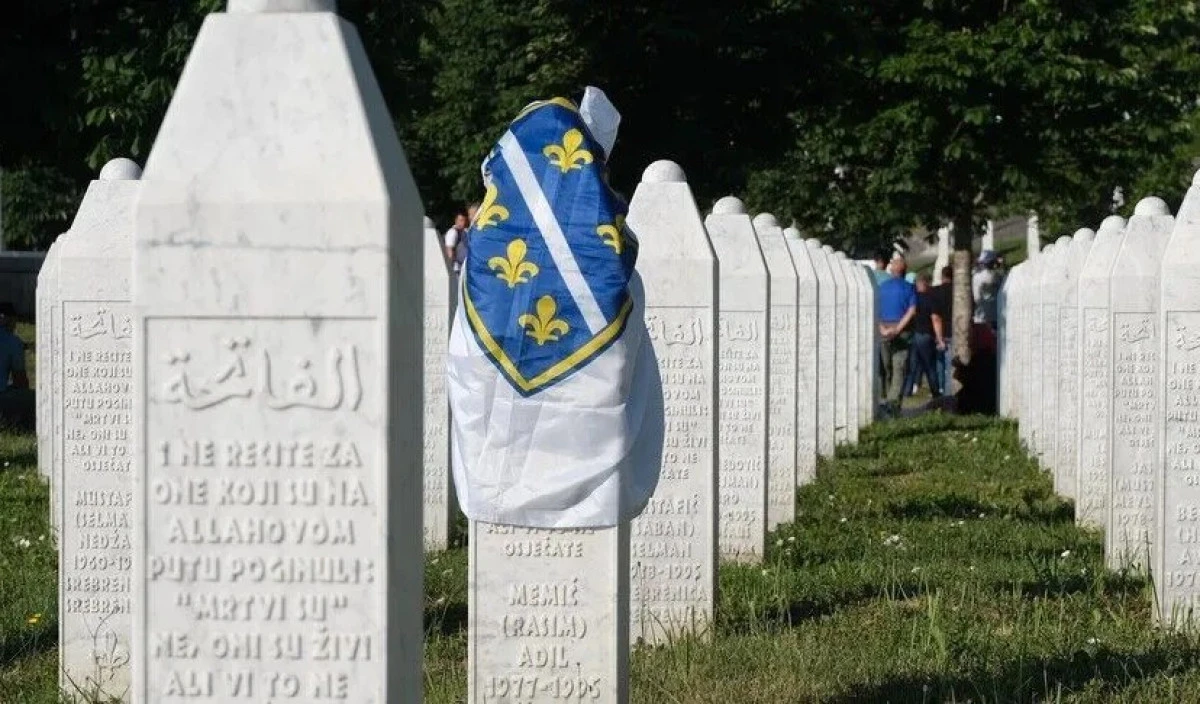
On Saturday, the remains of 10 newly identified victims were buried at the Potocari Memorial Cemetery, while more than 6,000 people from around the world completed the three-day Peace March, retracing in reverse the route taken by Bosniaks attempting to escape the massacre.

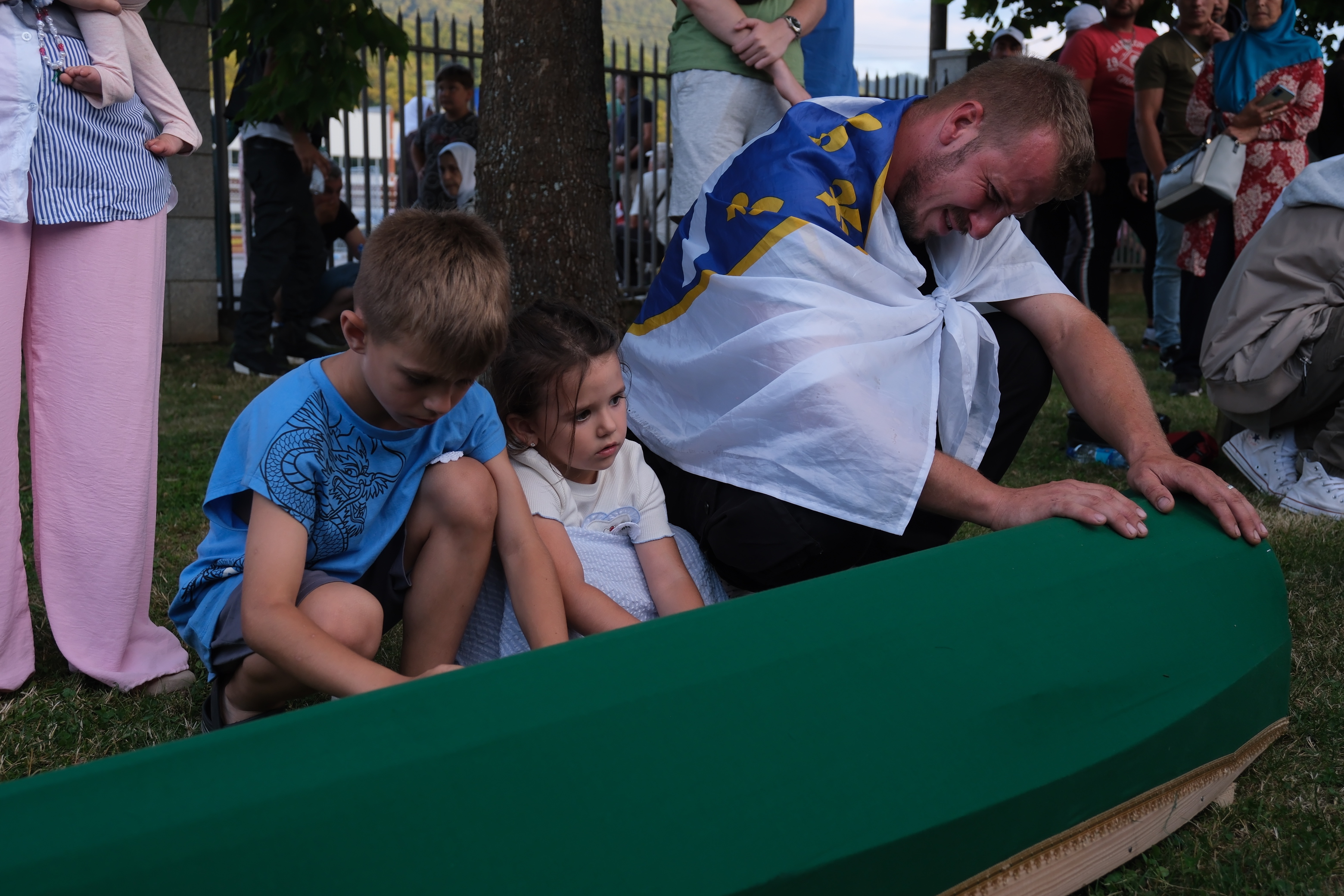
The victims' coffins were carried on the shoulders of mourners on Friday from the former battery factory in Potocari – which served as a UN peacekeepers' base during the Bosnian war – to the adjacent memorial cemetery. The coffins had arrived on July 9 and remained inside the former factory before Saturday's burial ceremony.

The newly buried victims were identified through years of forensic investigations and DNA analysis, with funerals held after the consent of their families.

The youngest victim buried this year was Senad Jusic, who was 20 when he was killed, while the oldest was Ramo Dautovic, who was 56.

The other victims were Muriz Barakovic, Hamed Music, Ramo Alic, Muhidin Osmanovic, Huso Cerimovic, Nuko Nukic, Ahmet Guster and Asim Kunic.

With this year's burials, the number of victims laid to rest at the Potocari Memorial Cemetery has risen to 6,782.

Amor Masovic, former director of Bosnia and Herzegovina's Institute for Missing Persons and now a member of parliament, said the brutality of the genocide continues to haunt families because many victims have never been recovered in full.

"The vast majority of those buried here are incomplete: one, two, 10, 50 bones, but not 206, which is what they had when their mothers gave birth to them," he said.


Retracing the route of survival

For many participants, the annual Peace March is both a tribute to those who died and an attempt to understand the ordeal endured by survivors.

Known locally as the "Death March" route because of the killings that took place along it in July 1995, the roughly 100-kilometer trail has become a symbol of remembrance and survival.

Participants began the march on July 8 in the town of Nezuk, walking about 35 kilometers each day before reaching Potocari on Friday, where they prayed for the victims ahead of Saturday's burial ceremony.

Along the route, local Bosniak communities and aid organizations provided food, drinks and assistance at designated rest stops.


Former Turkish lawmaker Suleyman Gunduz, who attended the commemorations, said the annual gathering carries a message that extends far beyond Bosnia and Herzegovina.

" Srebrenica and Potocari are places that can serve as an example for all humanity … Srebrenica will continue to be remembered for many years to come, and the dark shadow of the sin of Srebrenica will transcend time and place, following humanity until the Day of Judgment."

For the families gathered in Potocari, however, remembrance is more than an annual ceremony. It is a continuing search for loved ones, a walk through history, and a determination that the world's worst atrocity in Europe since World War II is never forgotten.​​​​​​​

Habere ifade bırak !
Habere ait etiket tanımlanmamış.
Okuyucu Yorumları (0)

Yorumunuz başarıyla alındı, inceleme ardından en kısa sürede yayına alınacaktır.

Yorum yazarak Topluluk Kuralları’nı kabul etmiş bulunuyor ve turkishpress.co.uk sitesine yaptığınız yorumunuzla ilgili doğrudan veya dolaylı tüm sorumluluğu tek başınıza üstleniyorsunuz. Yazılan tüm yorumlardan site yönetimi hiçbir şekilde sorumlu tutulamaz.
Sitemizden en iyi şekilde faydalanabilmeniz için çerezler kullanılmaktadır, sitemizi kullanarak çerezleri kabul etmiş saylırsınız.