

Strait of Hormuz disruption threatens chip, fertilizer supply

ENGLISH 29.04.2026 - 15:38, Güncelleme: 29.04.2026 - 15:38
 

Strait of Hormuz disruption threatens chip, fertilizer supply

Fertilizer shipments stranded in Gulf risk cutting off nearly half of global urea trade - Disruptions to industrial gas flows could hit semiconductor supply chains
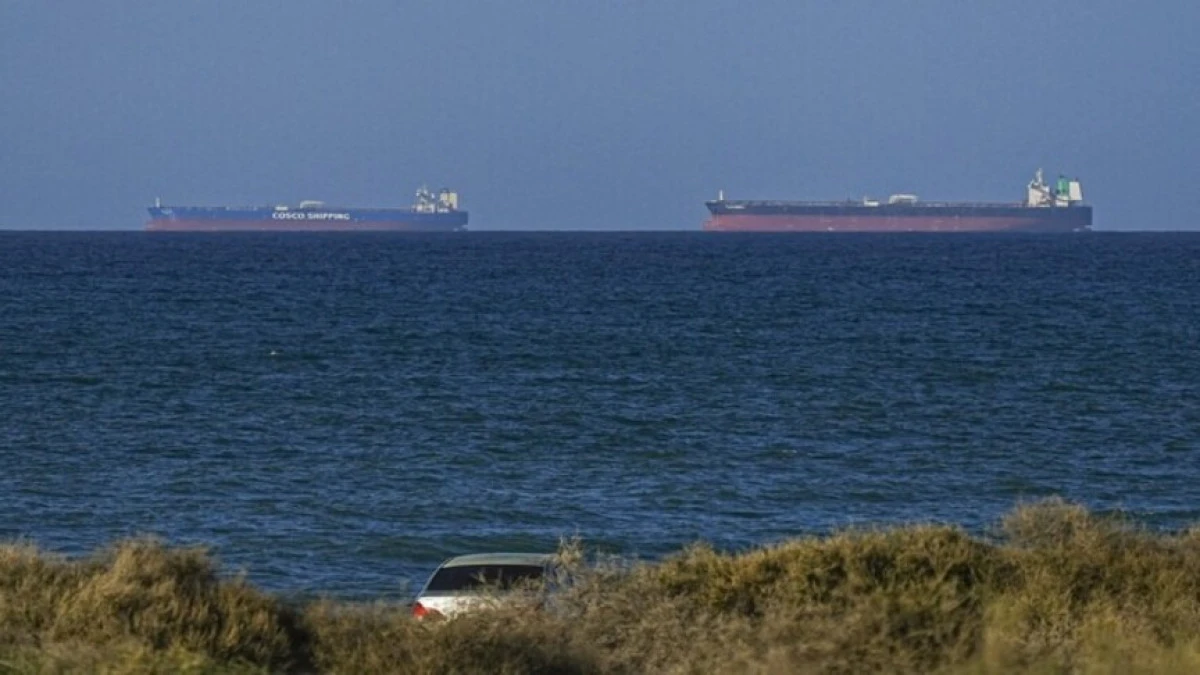
Severe disruptions to shipping through the Strait of Hormuz are raising concerns over global energy, food and technology supply chains, as tensions in the Middle East continue to disrupt one of the world’s most critical maritime routes. The waterway accounts for about a quarter of global maritime oil trade and a significant share of fertilizer supply, making it a key artery for energy and agricultural markets. Sadi Kaymaz, an Asia markets analyst, told Anadolu that the crisis is already causing significant supply losses, particularly in fertilizer markets. “Producers in the Persian Gulf account for 45% of global urea trade,” he said, referring to the most widely used nitrogen fertilizer. “More than half of this production has been shut down, and facilities that continue to run are unable to deliver their products due to the blockade in the Strait of Hormuz – leaving a massive amount of product stranded in the Gulf,” he added. Only 11 fertilizer-carrying vessels have been able to transit the strait since the start of the conflict in late February, with just four transporting urea. “A total of 44 fertilizer ships, half of which have urea onboard, are stranded,” Kaymaz said. “Restarting nitrogen plants is very difficult in this climate. Even if the war ends, it will take a lot of time for capacity to return to pre-war levels.” Meanwhile, China’s foreign trade policy has become a critical factor constraining global supply, as Beijing has largely halted fertilizer exports amid tightening urea supply and rising prices, increasing risks for global food security. These disruptions are expected to hamper agricultural productivity for at least a year due to seasonal production cycles.   Impact on chip supply Disruptions are also affecting supplies of industrial gases such as neon, krypton and xenon, which are byproducts of natural gas extraction in Qatar and are critical for semiconductor production. Any sustained interruption in shipments could disrupt global chip supply chains, including those linked to artificial intelligence technologies, analysts warn. The impact could be particularly significant given the limited number of alternative suppliers and the concentration of production in the region.   Potential for lasting price pressure The UN Conference on Trade and Development (UNCTAD) warned that the situation poses a growing risk to the global economy, noting that ship traffic through the strait has dropped by 95% since early March. Analysts warn that even if tensions ease, the effects could be long-lasting given the strategic importance of the strait, through which around 20% of global oil trade passes. Rising energy prices, higher freight costs and increased war risk insurance premiums are already adding pressure to global markets, with crude oil prices in Europe up 49% and commodity food prices up 6.1% since late February, according to a newly launched UNCTAD monitoring platform. Markets could see a rapid recovery if the crisis is resolved quickly through diplomacy, similar to the 2021 Suez Canal disruption, with fuel prices and stock markets stabilizing within weeks, analysts say. However, a prolonged disruption could push up risk premiums and lead to sustained increases in energy and transport costs, a scenario that UNCTAD says would translate into economic hardship globally. The lack of viable alternatives to the Strait of Hormuz further heightens the risk, as existing pipeline capacity in countries such as Saudi Arabia is insufficient to fully replace maritime capacity.
Fertilizer shipments stranded in Gulf risk cutting off nearly half of global urea trade - Disruptions to industrial gas flows could hit semiconductor supply chains

Severe disruptions to shipping through the Strait of Hormuz are raising concerns over global energy, food and technology supply chains, as tensions in the Middle East continue to disrupt one of the world’s most critical maritime routes.

The waterway accounts for about a quarter of global maritime oil trade and a significant share of fertilizer supply, making it a key artery for energy and agricultural markets.

Sadi Kaymaz, an Asia markets analyst, told Anadolu that the crisis is already causing significant supply losses, particularly in fertilizer markets.

“Producers in the Persian Gulf account for 45% of global urea trade,” he said, referring to the most widely used nitrogen fertilizer.

“More than half of this production has been shut down, and facilities that continue to run are unable to deliver their products due to the blockade in the Strait of Hormuz – leaving a massive amount of product stranded in the Gulf,” he added.

Only 11 fertilizer-carrying vessels have been able to transit the strait since the start of the conflict in late February, with just four transporting urea.

“A total of 44 fertilizer ships, half of which have urea onboard, are stranded,” Kaymaz said. “Restarting nitrogen plants is very difficult in this climate. Even if the war ends, it will take a lot of time for capacity to return to pre-war levels.”

Meanwhile, China’s foreign trade policy has become a critical factor constraining global supply, as Beijing has largely halted fertilizer exports amid tightening urea supply and rising prices, increasing risks for global food security.

These disruptions are expected to hamper agricultural productivity for at least a year due to seasonal production cycles.


Impact on chip supply

Disruptions are also affecting supplies of industrial gases such as neon, krypton and xenon, which are byproducts of natural gas extraction in Qatar and are critical for semiconductor production.

Any sustained interruption in shipments could disrupt global chip supply chains, including those linked to artificial intelligence technologies, analysts warn.

The impact could be particularly significant given the limited number of alternative suppliers and the concentration of production in the region.


Potential for lasting price pressure

The UN Conference on Trade and Development (UNCTAD) warned that the situation poses a growing risk to the global economy, noting that ship traffic through the strait has dropped by 95% since early March.

Analysts warn that even if tensions ease, the effects could be long-lasting given the strategic importance of the strait, through which around 20% of global oil trade passes.

Rising energy prices, higher freight costs and increased war risk insurance premiums are already adding pressure to global markets, with crude oil prices in Europe up 49% and commodity food prices up 6.1% since late February, according to a newly launched UNCTAD monitoring platform.

Markets could see a rapid recovery if the crisis is resolved quickly through diplomacy, similar to the 2021 Suez Canal disruption, with fuel prices and stock markets stabilizing within weeks, analysts say.

However, a prolonged disruption could push up risk premiums and lead to sustained increases in energy and transport costs, a scenario that UNCTAD says would translate into economic hardship globally.

The lack of viable alternatives to the Strait of Hormuz further heightens the risk, as existing pipeline capacity in countries such as Saudi Arabia is insufficient to fully replace maritime capacity.

Habere ifade bırak !
Habere ait etiket tanımlanmamış.
Okuyucu Yorumları (0)

Yorumunuz başarıyla alındı, inceleme ardından en kısa sürede yayına alınacaktır.
Yorum yazarak Topluluk Kuralları’nı kabul etmiş bulunuyor ve turkishpress.co.uk sitesine yaptığınız yorumunuzla ilgili doğrudan veya dolaylı tüm sorumluluğu tek başınıza üstleniyorsunuz. Yazılan tüm yorumlardan site yönetimi hiçbir şekilde sorumlu tutulamaz.
Sitemizden en iyi şekilde faydalanabilmeniz için çerezler kullanılmaktadır, sitemizi kullanarak çerezleri kabul etmiş saylırsınız.