

Türkiye accelerates global trade diplomacy with new talks, high-level meetings in H1
ENGLISH 21.07.2026 - 14:37, Güncelleme: 21.07.2026 - 14:37
 

Türkiye accelerates global trade diplomacy with new talks, high-level meetings in H1

⁠Trade Ministry engages 57 countries via 152 meetings in January-June, accelerating Free Trade Agreement updates with UK, launching fresh talks with Canada and Costa Rica, while leveraging cooperation frameworks to boost exports, and more
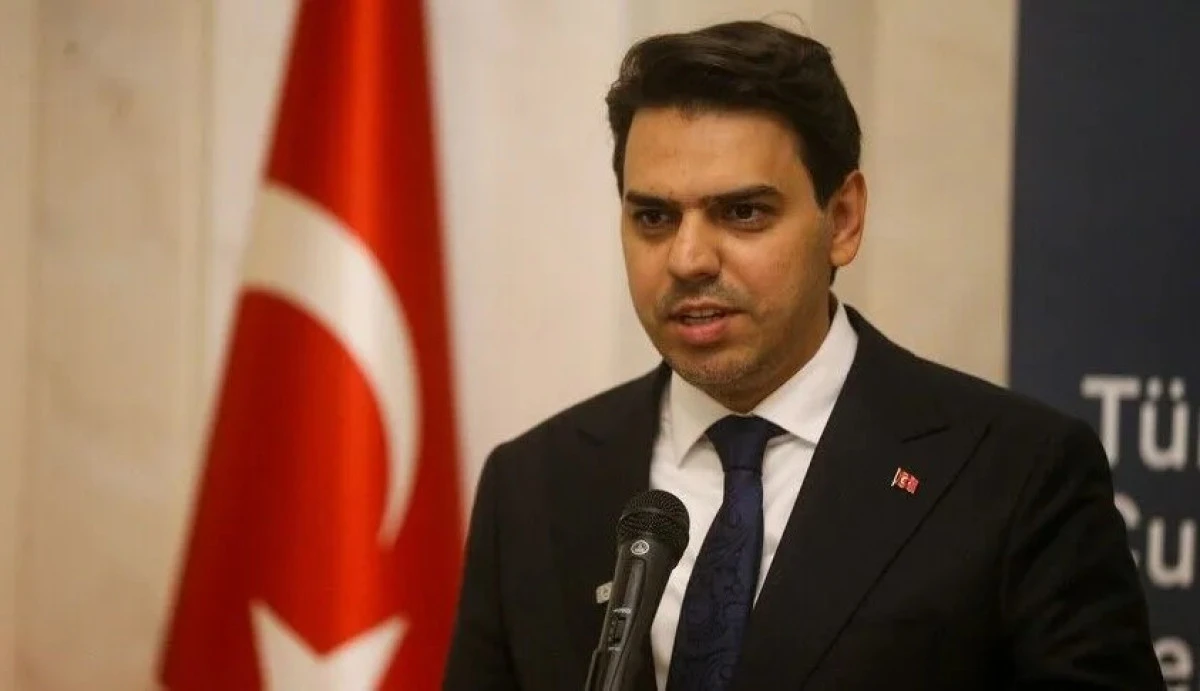
Türkiye’s Trade Ministry conducted 125 high-level meetings across 57 countries in the first half of the year to boost export volumes, strengthen the investment climate and facilitate access to emerging global markets. The ministry leveraged cooperation frameworks like Free Trade Agreements (FTAs), Joint Economic Trade Committees (JETCOs), Joint Economic Commissions (JECs) and Preferential Trade Agreements (PTAs) to achieve these goals. Türkiye also ensured strong representation at key global gatherings like the OECD Ministerial Meeting and the economic summits of the Organization of Turkic States (OTS). Officials held bilateral meetings with numerous countries, including Saudi Arabia, Turkmenistan, Kazakhstan, Uzbekistan, Azerbaijan, Serbia, Kosovo, North Macedonia, the United Arab Emirates (UAE), Iraq, Iran, Qatar, Kuwait, Oman and Syria. Trade officials participated in high-level visits to key partners like Kazakhstan and Saudi Arabia to help solidify economic ties, while FTA negotiations remained high on the country’s diplomatic agenda during the six-month period. During the fifth round of FTA update negotiations with the UK in Ankara, both sides reaffirmed their commitment to accelerating and expanding the scheme, while successful talks paved the way to launch FTA negotiations with Canada and Costa Rica. Trade officials also held technical talks to broaden the scope of existing PTAs with Türkiye’s regional allies Azerbaijan and Uzbekistan. Meanwhile, institutional mechanisms like JETCOs yielded concrete policy results in the first half of the year. Türkiye and the UK signed an agreement on mutual authorized economic operators’ recognition at the eighth session of the JETCO meeting between the two countries. Türkiye and Hungary agreed to increase transit permit quotas and streamline visa and work permit procedures at their JETCO meeting. Through the JETCO mechanism Türkiye established for the first time with Norway, the two countries created a framework for cooperation in green transition and digital economy. Türkiye and Syria inked a large-scale protocol covering many areas, ranging from customs to energy and from banking to construction, in the first half of the year. Türkiye and Germany defined a roadmap for economic relations and concrete areas of cooperation. At the same time, regional business forums played key roles in integrating the private sector, with events like the Türkiye-Saudi Arabia Investment Forum receiving heavy participation. The ministry focused efforts on strengthening alternative trade routes, logistics and supply chains with countries in the region, especially in light of the Strait of Hormuz developments and the impact on trade. Türkiye’s top trade diplomacy agenda also involved contacts with Serbia, Kosovo and North Macedonia in the Balkans, regional economic integration and support for the Turkish construction sector. The Turkish Trade Ministry plans to maintain this diplomatic momentum uninterrupted for the remainder of the year to ensure permanent market access for Turkish exporters.
⁠Trade Ministry engages 57 countries via 152 meetings in January-June, accelerating Free Trade Agreement updates with UK, launching fresh talks with Canada and Costa Rica, while leveraging cooperation frameworks to boost exports, and more

Türkiye’s Trade Ministry conducted 125 high-level meetings across 57 countries in the first half of the year to boost export volumes, strengthen the investment climate and facilitate access to emerging global markets.

The ministry leveraged cooperation frameworks like Free Trade Agreements (FTAs), Joint Economic Trade Committees (JETCOs), Joint Economic Commissions (JECs) and Preferential Trade Agreements (PTAs) to achieve these goals.

Türkiye also ensured strong representation at key global gatherings like the OECD Ministerial Meeting and the economic summits of the Organization of Turkic States (OTS).

Officials held bilateral meetings with numerous countries, including Saudi Arabia, Turkmenistan, Kazakhstan, Uzbekistan, Azerbaijan, Serbia, Kosovo, North Macedonia, the United Arab Emirates (UAE), Iraq, Iran, Qatar, Kuwait, Oman and Syria.

Trade officials participated in high-level visits to key partners like Kazakhstan and Saudi Arabia to help solidify economic ties, while FTA negotiations remained high on the country’s diplomatic agenda during the six-month period.

During the fifth round of FTA update negotiations with the UK in Ankara, both sides reaffirmed their commitment to accelerating and expanding the scheme, while successful talks paved the way to launch FTA negotiations with Canada and Costa Rica.

Trade officials also held technical talks to broaden the scope of existing PTAs with Türkiye’s regional allies Azerbaijan and Uzbekistan.

Meanwhile, institutional mechanisms like JETCOs yielded concrete policy results in the first half of the year.

Türkiye and the UK signed an agreement on mutual authorized economic operators’ recognition at the eighth session of the JETCO meeting between the two countries.

Türkiye and Hungary agreed to increase transit permit quotas and streamline visa and work permit procedures at their JETCO meeting.

Through the JETCO mechanism Türkiye established for the first time with Norway, the two countries created a framework for cooperation in green transition and digital economy.

Türkiye and Syria inked a large-scale protocol covering many areas, ranging from customs to energy and from banking to construction, in the first half of the year.

Türkiye and Germany defined a roadmap for economic relations and concrete areas of cooperation.

At the same time, regional business forums played key roles in integrating the private sector, with events like the Türkiye-Saudi Arabia Investment Forum receiving heavy participation.

The ministry focused efforts on strengthening alternative trade routes, logistics and supply chains with countries in the region, especially in light of the Strait of Hormuz developments and the impact on trade.

Türkiye’s top trade diplomacy agenda also involved contacts with Serbia, Kosovo and North Macedonia in the Balkans, regional economic integration and support for the Turkish construction sector.

The Turkish Trade Ministry plans to maintain this diplomatic momentum uninterrupted for the remainder of the year to ensure permanent market access for Turkish exporters.

Habere ifade bırak !
Habere ait etiket tanımlanmamış.
Okuyucu Yorumları (0)

Yorumunuz başarıyla alındı, inceleme ardından en kısa sürede yayına alınacaktır.
Yorum yazarak Topluluk Kuralları’nı kabul etmiş bulunuyor ve turkishpress.co.uk sitesine yaptığınız yorumunuzla ilgili doğrudan veya dolaylı tüm sorumluluğu tek başınıza üstleniyorsunuz. Yazılan tüm yorumlardan site yönetimi hiçbir şekilde sorumlu tutulamaz.
Sitemizden en iyi şekilde faydalanabilmeniz için çerezler kullanılmaktadır, sitemizi kullanarak çerezleri kabul etmiş saylırsınız.