

Türkiye eyes new era with updated Customs Union, payment ties, head of export body says
ENGLISH 20.07.2026 - 13:00, Güncelleme: 20.07.2026 - 13:00
 

Türkiye eyes new era with updated Customs Union, payment ties, head of export body says

Joining Single Euro Payments Area to facilitate cross-border trade, while policy alignment with financial integration to allow Europe to capitalize on Türkiye’s flexible structure and production capacity, says sector leader
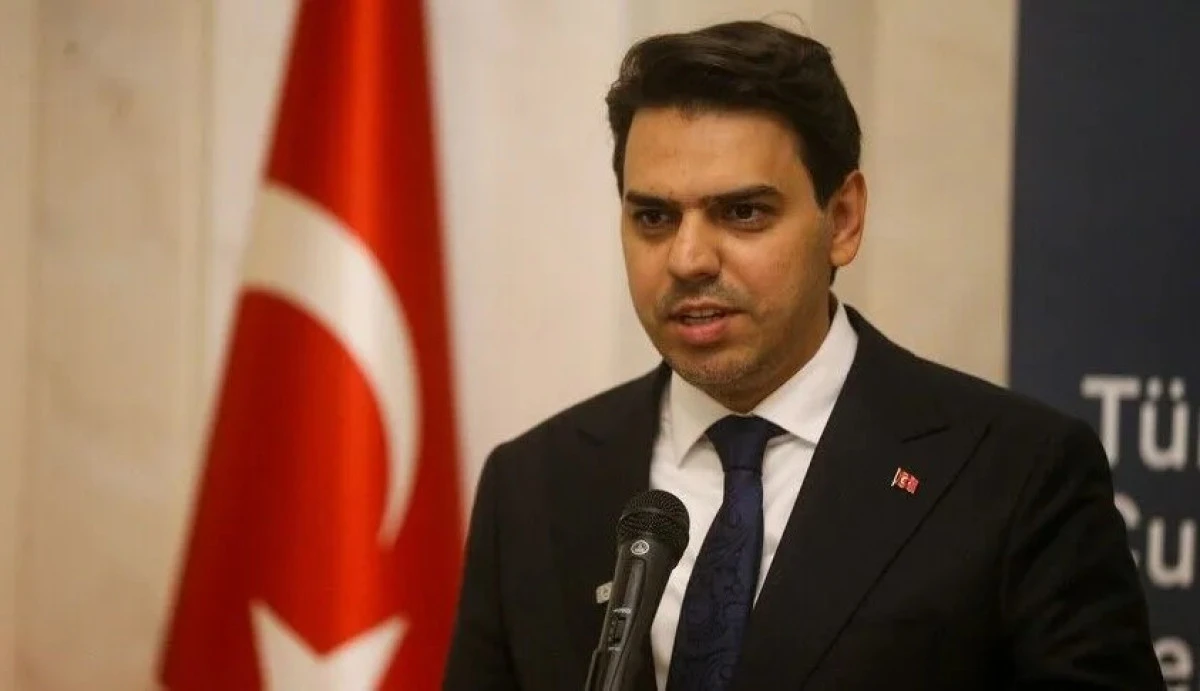
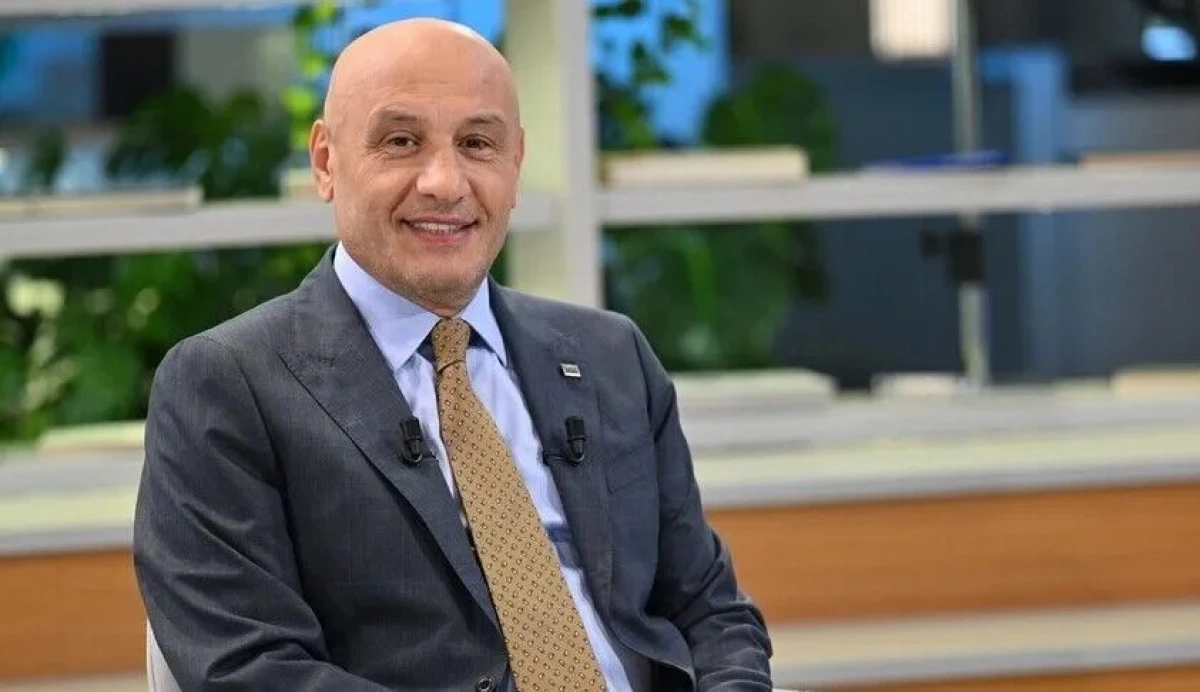
Türkiye can achieve a further level of economic integration with Europe via a multi-pronged approach aligning trade policies with seamless financial infrastructure, while joining the “Made in EU” initiative will transform its export capabilities, a sector leader told Anadolu. Mustafa Gultepe stated that Türkiye’s exports reached $136.1 billion in the first half of the year, up 3.6% on an annual basis, driven by an increase in product value and favorable exchange rates that contributed $3.8 billion. He said closing the January-June period with rising exports was significant given the geopolitical tensions in the Middle East and the Russia-Ukraine war. He noted that some subsectors closed the six-month period with growth while others saw declines, but exports across all sectors grew year-on-year in April and a similar trend came to the fore in June. “With the closure of the Strait of Hormuz, we saw a situation similar to that of the pandemic,” he said. “The rise in exports was primarily driven by an increase in value and not an increase in volume, as we produced less but the value went up with the rise in some raw material prices playing a key role in this,” he added. The defense, automotive, ferrous and non-ferrous metals, steel, and electrical and electronics sectors drove Türkiye’s first-half export performance. Gultepe stated that the EU was a critical market for Turkish exports, accounting for 50% of the country’s total exports and exceeding 65% for some sectors, adding that accession to Single Euro Payments Area (SEPA) was expected to further propel exports. “The SEPA scheme facilitates payments, so when you make a wire transfer or receive funds, it works like transfers within the domestic market, meaning once we join that system, money transfers within Europe will be much faster, providing much greater support for small- and medium-sized enterprises (SMEs) as large firms may not face major issues in this regard,” he said. Gultepe emphasized that Türkiye boasted the structural advantages Europe sought, leaving financial friction as the primary barrier to overcome. “We offer flexibility and quality, and beyond price flexibility, we have everything Europe has been looking for in recent times, offering logistical advantages and geographical proximity to the continent,” he said. “Türkiye’s position, flexible structure, production capacity, and integration provide great advantages,” he noted. He noted that policy alignment had to accompany financial integration to capitalize on these advantages. “If the amendment of the Customs Union, the ‘Made in EU’ efforts, and participation in the SEPA system are carried out together, this will make conducting business much simpler, streamlined, and more accessible,” he said. Gultepe mentioned that Turkish exports reached $278 billion over the past 12 months, adding, “Since taking the helm at TIM, I’ve always said we need double-digit growth as we aim for Türkiye to rank among the top 10 exporters in the medium to long term.” “All our sectors are focused on this goal, and some 27 sectors, including the services sector, need to contribute to this growth,” he added.
Joining Single Euro Payments Area to facilitate cross-border trade, while policy alignment with financial integration to allow Europe to capitalize on Türkiye’s flexible structure and production capacity, says sector leader

Türkiye can achieve a further level of economic integration with Europe via a multi-pronged approach aligning trade policies with seamless financial infrastructure, while joining the “Made in EU” initiative will transform its export capabilities, a sector leader told Anadolu.

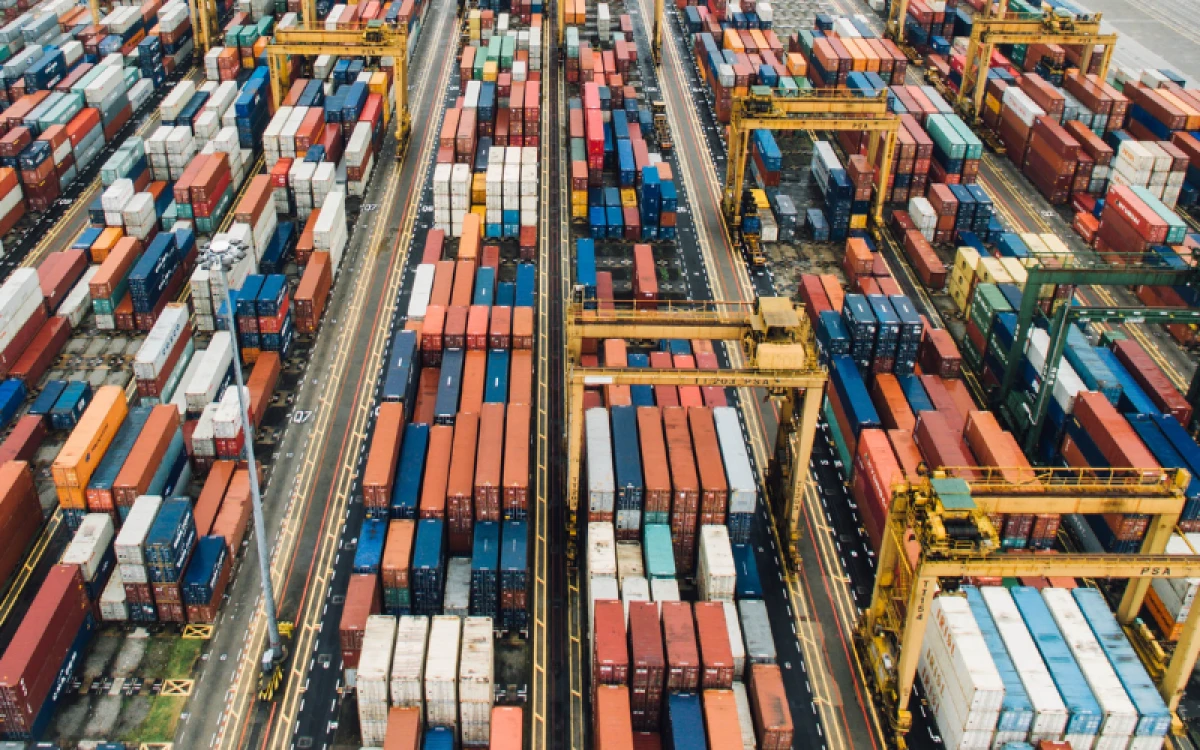
Mustafa Gultepe stated that Türkiye’s exports reached $136.1 billion in the first half of the year, up 3.6% on an annual basis, driven by an increase in product value and favorable exchange rates that contributed $3.8 billion.

He said closing the January-June period with rising exports was significant given the geopolitical tensions in the Middle East and the Russia-Ukraine war.

He noted that some subsectors closed the six-month period with growth while others saw declines, but exports across all sectors grew year-on-year in April and a similar trend came to the fore in June.

“With the closure of the Strait of Hormuz, we saw a situation similar to that of the pandemic,” he said.

“The rise in exports was primarily driven by an increase in value and not an increase in volume, as we produced less but the value went up with the rise in some raw material prices playing a key role in this,” he added.

The defense, automotive, ferrous and non-ferrous metals, steel, and electrical and electronics sectors drove Türkiye’s first-half export performance.

Gultepe stated that the EU was a critical market for Turkish exports, accounting for 50% of the country’s total exports and exceeding 65% for some sectors, adding that accession to Single Euro Payments Area (SEPA) was expected to further propel exports.

“The SEPA scheme facilitates payments, so when you make a wire transfer or receive funds, it works like transfers within the domestic market, meaning once we join that system, money transfers within Europe will be much faster, providing much greater support for small- and medium-sized enterprises (SMEs) as large firms may not face major issues in this regard,” he said.

Gultepe emphasized that Türkiye boasted the structural advantages Europe sought, leaving financial friction as the primary barrier to overcome.

“We offer flexibility and quality, and beyond price flexibility, we have everything Europe has been looking for in recent times, offering logistical advantages and geographical proximity to the continent,” he said.

“Türkiye’s position, flexible structure, production capacity, and integration provide great advantages,” he noted.

He noted that policy alignment had to accompany financial integration to capitalize on these advantages.

“If the amendment of the Customs Union, the ‘Made in EU’ efforts, and participation in the SEPA system are carried out together, this will make conducting business much simpler, streamlined, and more accessible,” he said.

Gultepe mentioned that Turkish exports reached $278 billion over the past 12 months, adding, “Since taking the helm at TIM, I’ve always said we need double-digit growth as we aim for Türkiye to rank among the top 10 exporters in the medium to long term.”

“All our sectors are focused on this goal, and some 27 sectors, including the services sector, need to contribute to this growth,” he added.

Habere ifade bırak !
Habere ait etiket tanımlanmamış.
Okuyucu Yorumları (0)

Yorumunuz başarıyla alındı, inceleme ardından en kısa sürede yayına alınacaktır.

Yorum yazarak Topluluk Kuralları’nı kabul etmiş bulunuyor ve turkishpress.co.uk sitesine yaptığınız yorumunuzla ilgili doğrudan veya dolaylı tüm sorumluluğu tek başınıza üstleniyorsunuz. Yazılan tüm yorumlardan site yönetimi hiçbir şekilde sorumlu tutulamaz.
Sitemizden en iyi şekilde faydalanabilmeniz için çerezler kullanılmaktadır, sitemizi kullanarak çerezleri kabul etmiş saylırsınız.