

Türkiye’s aviation sector climbs to top 3 in Europe in passenger traffic
ENGLISH 13.08.2026 - 14:39, Güncelleme: 13.08.2026 - 14:39
 

Türkiye’s aviation sector climbs to top 3 in Europe in passenger traffic

Türkiye handles over 2.5M flights per year across 356 destinations with airport passenger capacity surging to nearly 400M and aircraft fleet to over 2,200 since 2002, says Turkish transport minister
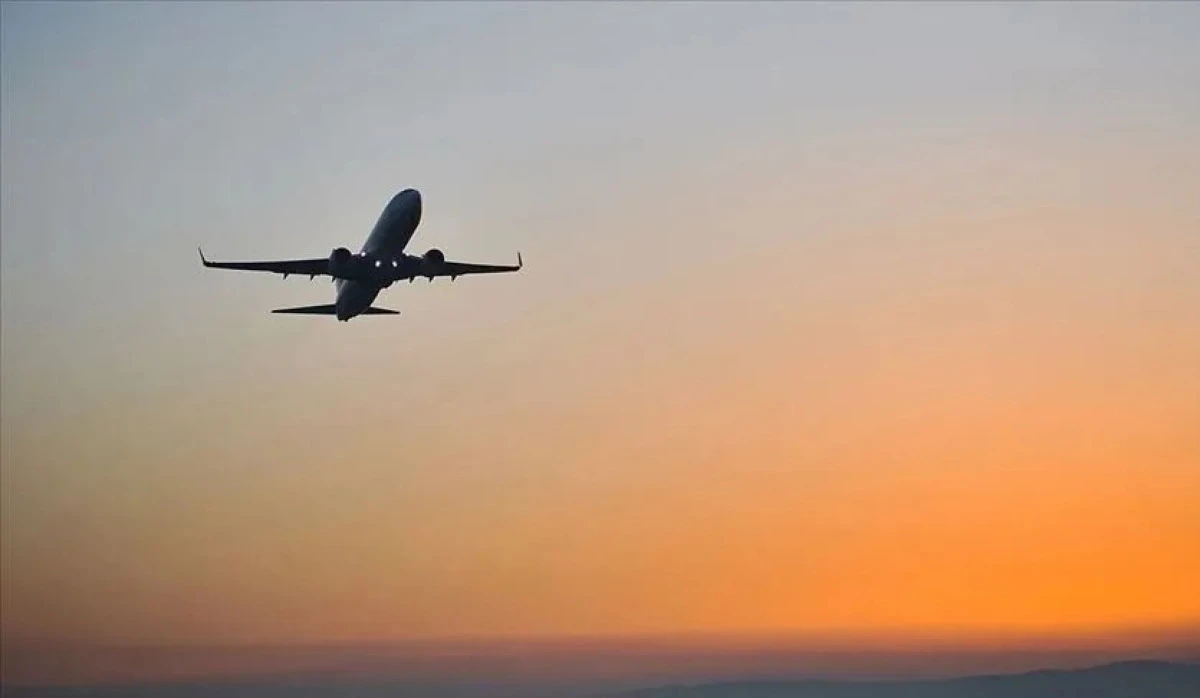
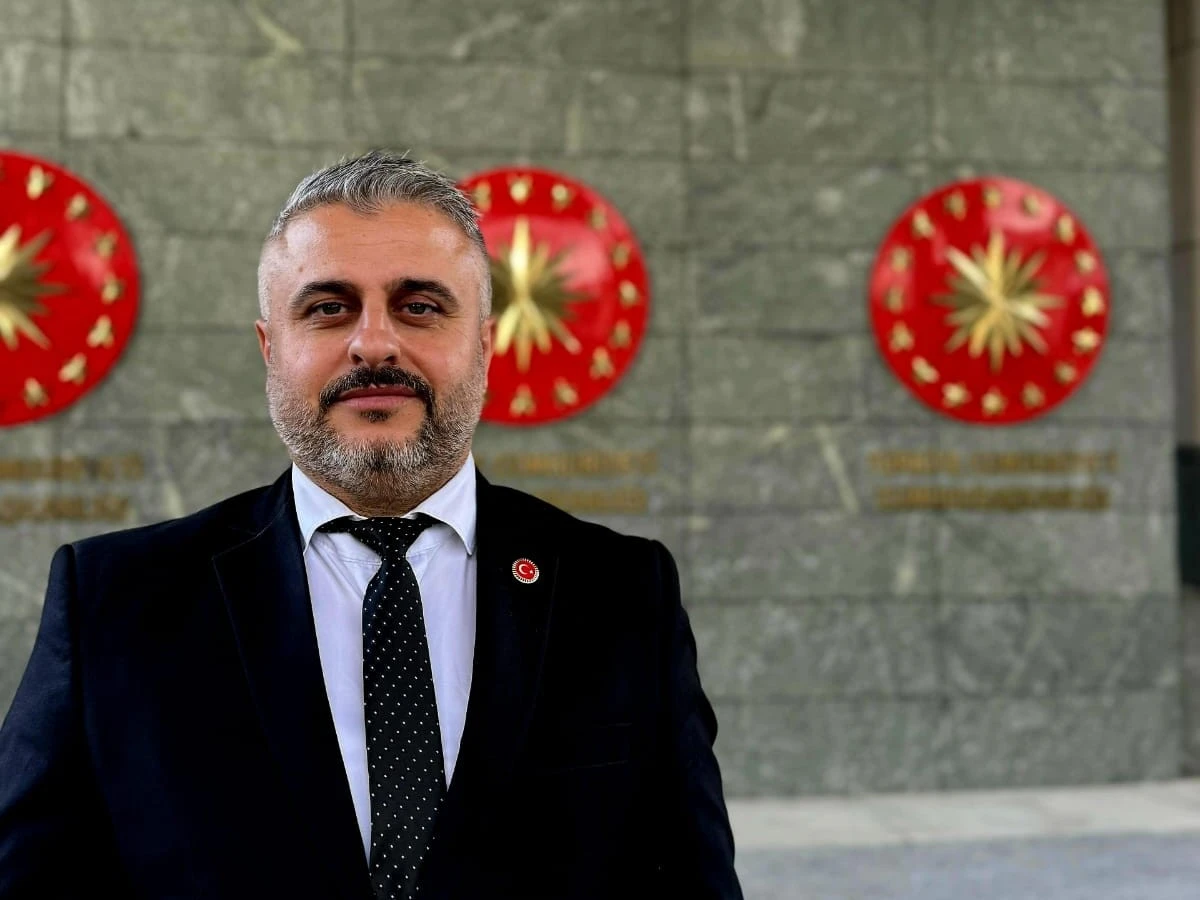
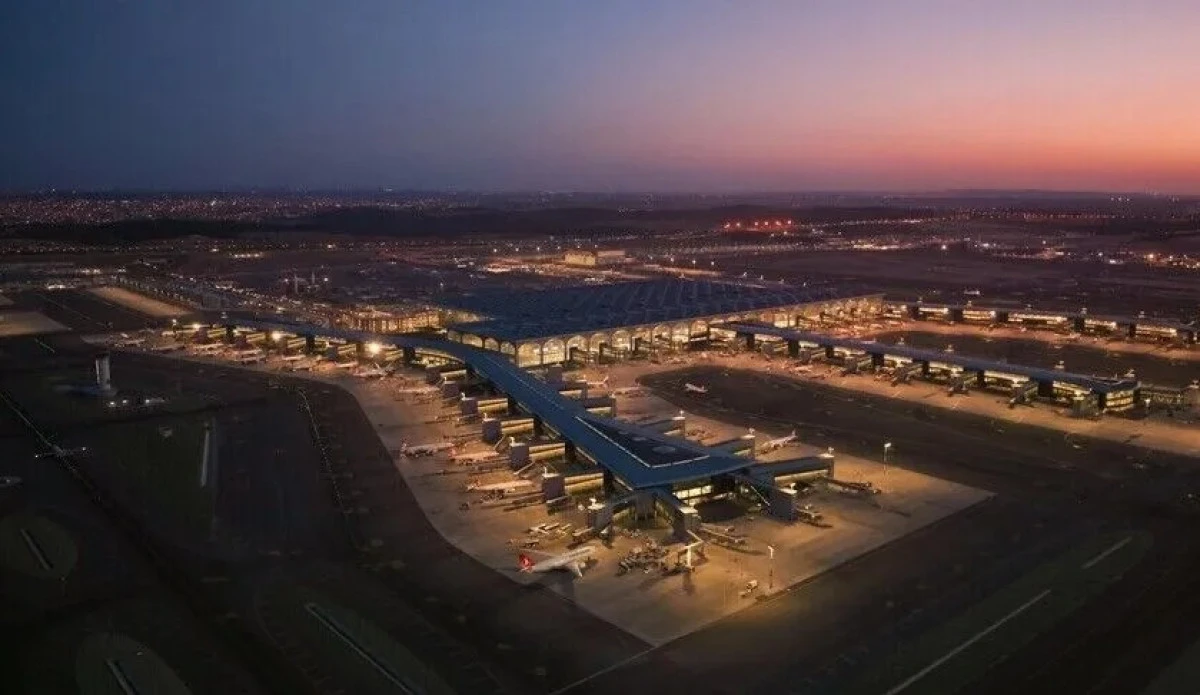
Türkiye's annual airport passenger traffic surged from 55 million to nearly 400 million over the past 24 years, reaching a level capable of serving more than the combined populations of some 26 EU countries, the Turkish transport and infrastructure minister said. Abdulkadir Uraloglu stated that the country’s civil aviation infrastructure has expanded since 2002, with the total number of airports rising from 26 to 58 and terminal areas growing from 541,000 square meters (5.8 million square feet) to 4.1 million square meters (44.1 million square feet). The annual number of passengers served grew from around 34 million to 247.1 million by the end of 2025, while daily traffic surged from 92,000 to 677,000 over the same period. Flight frequency also boomed, with the total number of flights rising from 532,000 to over 2.5 million and the daily number of flights exceeding 6,800. Uraloglu stated that the expansion of Turkish civil aviation improved the country's global standing, taking it from 18th to seventh in global passenger traffic and from seventh to third in Europe. Meanwhile, Türkiye’s fleet size and capabilities multiplied, with the total number of registered aircraft surging from 626 to 2,218, including a jump in wide-body aircraft from 150 to 800 over the same 24-year period. The total airline seat capacity rose from 25,000 to 157,000, while the country’s global connectivity expanded, with the number of international destinations surging from 60 to 356 and air transport agreements with other countries rising from 81 to 175. The airspace network grew by 91% as defined flight routes were extended from 41,901 kilometers (26,036 miles) to 80,000 kilometers (49,710 miles) across the globe. Aircraft parking positions increased from 332 to 1,739, navigation aids from 215 to 589, and the total runway length from 149 kilometers (93 miles) to 241.4 kilometers (150 miles) over the 24-year period.
Türkiye handles over 2.5M flights per year across 356 destinations with airport passenger capacity surging to nearly 400M and aircraft fleet to over 2,200 since 2002, says Turkish transport minister

Türkiye's annual airport passenger traffic surged from 55 million to nearly 400 million over the past 24 years, reaching a level capable of serving more than the combined populations of some 26 EU countries, the Turkish transport and infrastructure minister said.

Abdulkadir Uraloglu stated that the country’s civil aviation infrastructure has expanded since 2002, with the total number of airports rising from 26 to 58 and terminal areas growing from 541,000 square meters (5.8 million square feet) to 4.1 million square meters (44.1 million square feet).

The annual number of passengers served grew from around 34 million to 247.1 million by the end of 2025, while daily traffic surged from 92,000 to 677,000 over the same period.

Flight frequency also boomed, with the total number of flights rising from 532,000 to over 2.5 million and the daily number of flights exceeding 6,800.

Uraloglu stated that the expansion of Turkish civil aviation improved the country's global standing, taking it from 18th to seventh in global passenger traffic and from seventh to third in Europe.

Meanwhile, Türkiye’s fleet size and capabilities multiplied, with the total number of registered aircraft surging from 626 to 2,218, including a jump in wide-body aircraft from 150 to 800 over the same 24-year period.

The total airline seat capacity rose from 25,000 to 157,000, while the country’s global connectivity expanded, with the number of international destinations surging from 60 to 356 and air transport agreements with other countries rising from 81 to 175.

The airspace network grew by 91% as defined flight routes were extended from 41,901 kilometers (26,036 miles) to 80,000 kilometers (49,710 miles) across the globe.

Aircraft parking positions increased from 332 to 1,739, navigation aids from 215 to 589, and the total runway length from 149 kilometers (93 miles) to 241.4 kilometers (150 miles) over the 24-year period.

Habere ifade bırak !
Habere ait etiket tanımlanmamış.
Okuyucu Yorumları (0)

Yorumunuz başarıyla alındı, inceleme ardından en kısa sürede yayına alınacaktır.
Yorum yazarak Topluluk Kuralları’nı kabul etmiş bulunuyor ve turkishpress.co.uk sitesine yaptığınız yorumunuzla ilgili doğrudan veya dolaylı tüm sorumluluğu tek başınıza üstleniyorsunuz. Yazılan tüm yorumlardan site yönetimi hiçbir şekilde sorumlu tutulamaz.
Sitemizden en iyi şekilde faydalanabilmeniz için çerezler kullanılmaktadır, sitemizi kullanarak çerezleri kabul etmiş saylırsınız.