


UK asks Interpol to reject Argentina’s ‘politically motivated’ requests for Falklands oil arrests
ENGLISH 21.10.2026 - 10:50, Güncelleme: 14.10.2026 - 10:53
 

UK asks Interpol to reject Argentina’s ‘politically motivated’ requests for Falklands oil arrests


Caution urged over Javier Milei government’s ‘red notice’ requests for arrest of individuals linked to oil project
Britain has appealed to Interpol to reject Argentina’s requests for the arrest of individuals involved in a large oil project off the Falkland Islands. With tensions over the sovereignty of the British overseas territory reaching levels not seen since the war with Argentina in 1982, UK officials have sought urgent assurances from the international organisation. A letter has been sent to Interpol’s headquarters in Lyon arguing that “red notice” requests from Argentina for the arrest of such individuals, including British nationals, should be seen as politically motivated. It is understood the UK government is concerned by what sources suggested was an attempt to bully people and companies out of working in the Falklands. An oil project known as Sea Lion in the North Falkland Basin in the south Atlantic has the potential to triple the Falklands’ GDP but Argentina’s president, Javier Milei, has vowed to block it. Argentina’s strategy includes attempts to criminalise those involved in Sea Lion and deter other investors. In its letter, the UK government has urged Interpol to be cautious in its handling of Argentinian requests for detentions, it is understood. Andrea Clausen, the chief executive of the Falklands government, confirmed that the use of Interpol by Argentina was a threat but added: “One would hope that Interpol wouldn’t necessarily take action.” She said: “Certainly those of us who have an interest have had a look at certain sections of Interpol’s constitution to see what we think it could mean.”   The chief executive of the Falkland Islands, Dr Andrea Clausen, in the room where Argentinian forces surrendered. Photograph: Sean Smith/The Guardian It is understood that a response from Interpol to the UK government’s correspondence stated that it would respect article 3 of its constitution, which forbids it from undertaking any intervention or activities of a political character. Interpol screens red notices, which are requests to locate and provisionally arrest a person pending extradition. If circulated to the enforcement agencies, individual member countries then decide whether to act on the requests. Nearly 20,000 were issued last year. The foreign secretary, Ed Miliband, has told MPs that the UK will protect businesses working in the Falklands from pressure from Argentina through measures under protection of trading interests (PTI) legislation. The legislation allows the UK to issue orders and directions forbidding British individuals and companies from complying with specific foreign laws or trade controls. It also opens up the possibility that those affected by Argentinian legal pressure could claim damages in UK courts. Miliband said: “The UK’s support for the Falkland Islands is steadfast. Argentina’s attempts to intimidate businesses and individuals engaged in legitimate commercial activity are unacceptable. Companies should be free to make lawful commercial decisions without the threat of political coercion. “We will always stand up for the Falkland Islanders, their right to determine their own future, and their right to pursue legitimate economic development.” The intensity of Argentinian pressure relating to the Falklands is at a level that UK officials say has not been seen since the war 44 years ago that followed the invasion ordered by the then Argentinian dictator, Gen Leopoldo Galtieri. The 74-day conflict ended with the surrender of the Argentinian forces and cost the lives of 649 of its military personnel, 255 British military personnel and three Falkland Islanders. Argentina continues to claim sovereignty over the 700 islands that make up the Falklands and has dismissed a 2013 referendum in which 99.8% of the islands’ 3,600 residents voted to remain a British territory, with only three votes against. Despite Interpol’s reassurance about its screening of red notice requests, concerns remain that Argentina could convince the organisation’s member states that its requests are not political but rooted in domestic legislation.
Caution urged over Javier Milei government’s ‘red notice’ requests for arrest of individuals linked to oil project

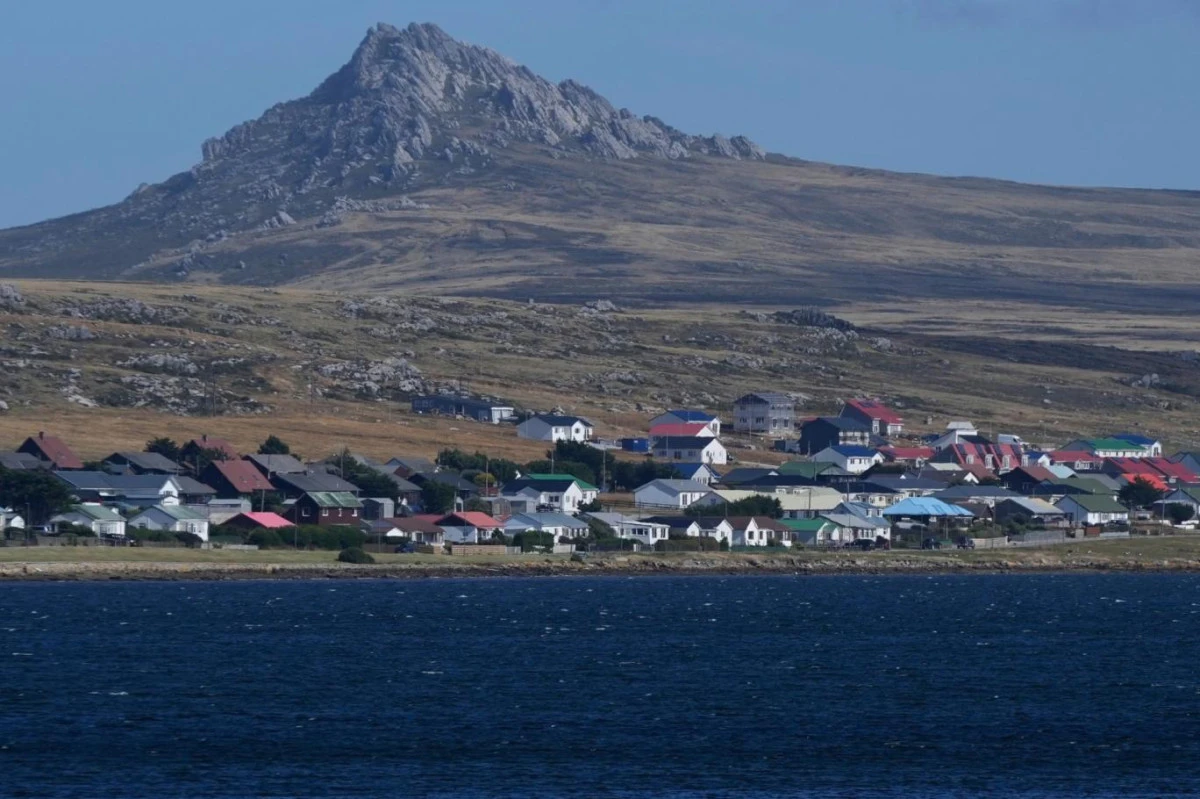
Britain has appealed to Interpol to reject Argentina’s requests for the arrest of individuals involved in a large oil project off the Falkland Islands.

With tensions over the sovereignty of the British overseas territory reaching levels not seen since the war with Argentina in 1982, UK officials have sought urgent assurances from the international organisation.

A letter has been sent to Interpol’s headquarters in Lyon arguing that “red notice” requests from Argentina for the arrest of such individuals, including British nationals, should be seen as politically motivated.

It is understood the UK government is concerned by what sources suggested was an attempt to bully people and companies out of working in the Falklands.

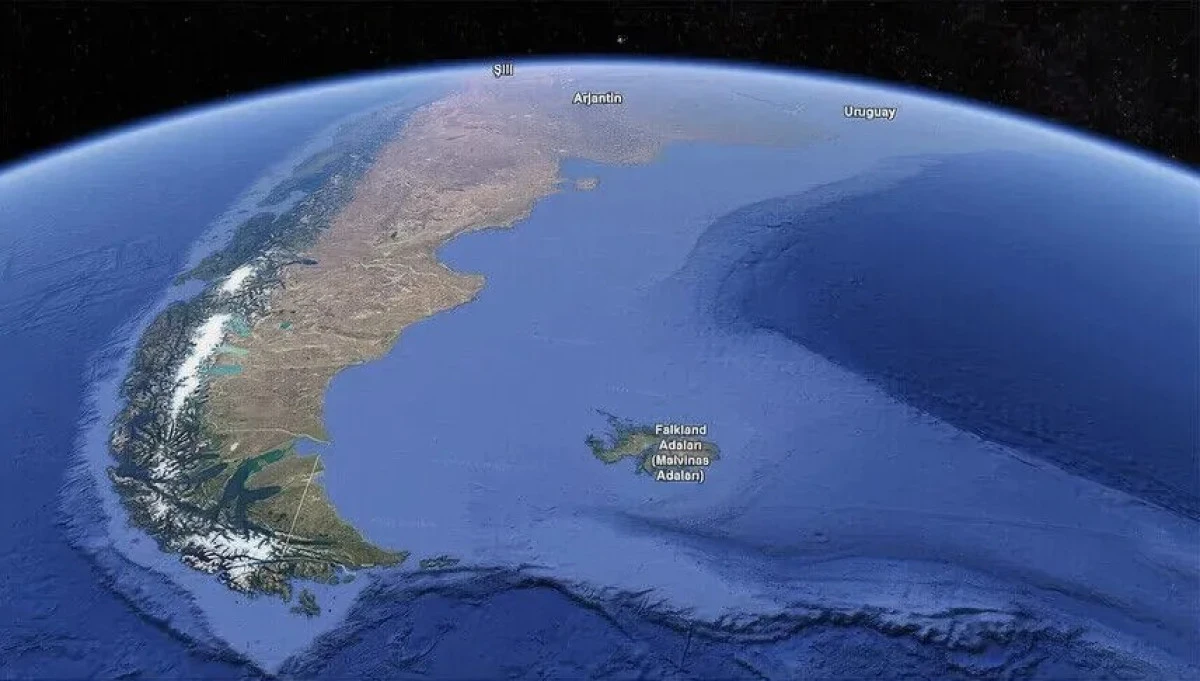
An oil project known as Sea Lion in the North Falkland Basin in the south Atlantic has the potential to triple the Falklands’ GDP but Argentina’s president, Javier Milei, has vowed to block it. Argentina’s strategy includes attempts to criminalise those involved in Sea Lion and deter other investors.

In its letter, the UK government has urged Interpol to be cautious in its handling of Argentinian requests for detentions, it is understood.

Andrea Clausen, the chief executive of the Falklands government, confirmed that the use of Interpol by Argentina was a threat but added: “One would hope that Interpol wouldn’t necessarily take action.”

She said: “Certainly those of us who have an interest have had a look at certain sections of Interpol’s constitution to see what we think it could mean.”

 

Clausen stands in a room with paintings on the wall, one of which is of King Charles

The chief executive of the Falkland Islands, Dr Andrea Clausen, in the room where Argentinian forces surrendered. Photograph: Sean Smith/The Guardian

It is understood that a response from Interpol to the UK government’s correspondence stated that it would respect article 3 of its constitution, which forbids it from undertaking any intervention or activities of a political character.

Interpol screens red notices, which are requests to locate and provisionally arrest a person pending extradition. If circulated to the enforcement agencies, individual member countries then decide whether to act on the requests. Nearly 20,000 were issued last year.

The foreign secretary, Ed Miliband, has told MPs that the UK will protect businesses working in the Falklands from pressure from Argentina through measures under protection of trading interests (PTI) legislation.

The legislation allows the UK to issue orders and directions forbidding British individuals and companies from complying with specific foreign laws or trade controls. It also opens up the possibility that those affected by Argentinian legal pressure could claim damages in UK courts.

Miliband said: “The UK’s support for the Falkland Islands is steadfast. Argentina’s attempts to intimidate businesses and individuals engaged in legitimate commercial activity are unacceptable. Companies should be free to make lawful commercial decisions without the threat of political coercion.

“We will always stand up for the Falkland Islanders, their right to determine their own future, and their right to pursue legitimate economic development.”

The intensity of Argentinian pressure relating to the Falklands is at a level that UK officials say has not been seen since the war 44 years ago that followed the invasion ordered by the then Argentinian dictator, Gen Leopoldo Galtieri.

The 74-day conflict ended with the surrender of the Argentinian forces and cost the lives of 649 of its military personnel, 255 British military personnel and three Falkland Islanders.

Argentina continues to claim sovereignty over the 700 islands that make up the Falklands and has dismissed a 2013 referendum in which 99.8% of the islands’ 3,600 residents voted to remain a British territory, with only three votes against.

Despite Interpol’s reassurance about its screening of red notice requests, concerns remain that Argentina could convince the organisation’s member states that its requests are not political but rooted in domestic legislation.
Habere ifade bırak !
Habere ait etiket tanımlanmamış.
Okuyucu Yorumları (0)

Yorumunuz başarıyla alındı, inceleme ardından en kısa sürede yayına alınacaktır.

Yorum yazarak Topluluk Kuralları’nı kabul etmiş bulunuyor ve turkishpress.co.uk sitesine yaptığınız yorumunuzla ilgili doğrudan veya dolaylı tüm sorumluluğu tek başınıza üstleniyorsunuz. Yazılan tüm yorumlardan site yönetimi hiçbir şekilde sorumlu tutulamaz.
Sitemizden en iyi şekilde faydalanabilmeniz için çerezler kullanılmaktadır, sitemizi kullanarak çerezleri kabul etmiş saylırsınız.