

2,000-year-old Roman mosaic unearthed at ancient city of Tralleis in western Türkiye
ENGLISH 29.07.2026 - 17:18, Güncelleme: 29.07.2026 - 17:18
 

2,000-year-old Roman mosaic unearthed at ancient city of Tralleis in western Türkiye

Mosaic floor depicting Poseidon’s sacred hippocampus uncovered at Tralleis, where archaeologists say bath-gymnasium once served as major educational center
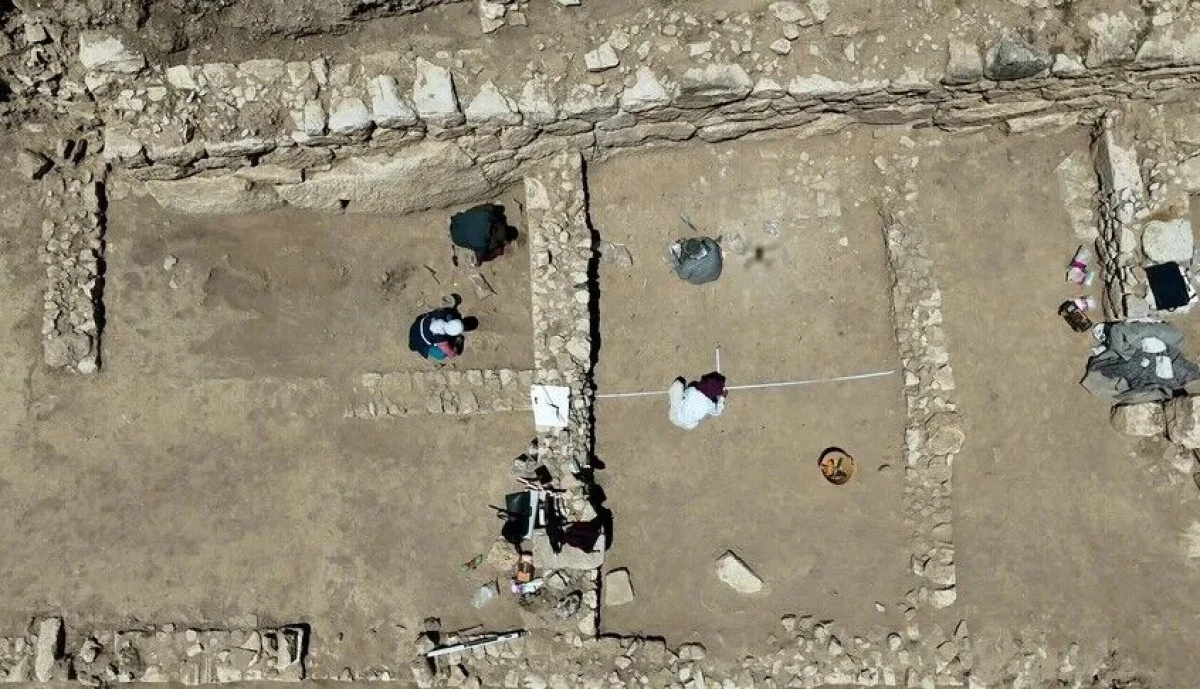
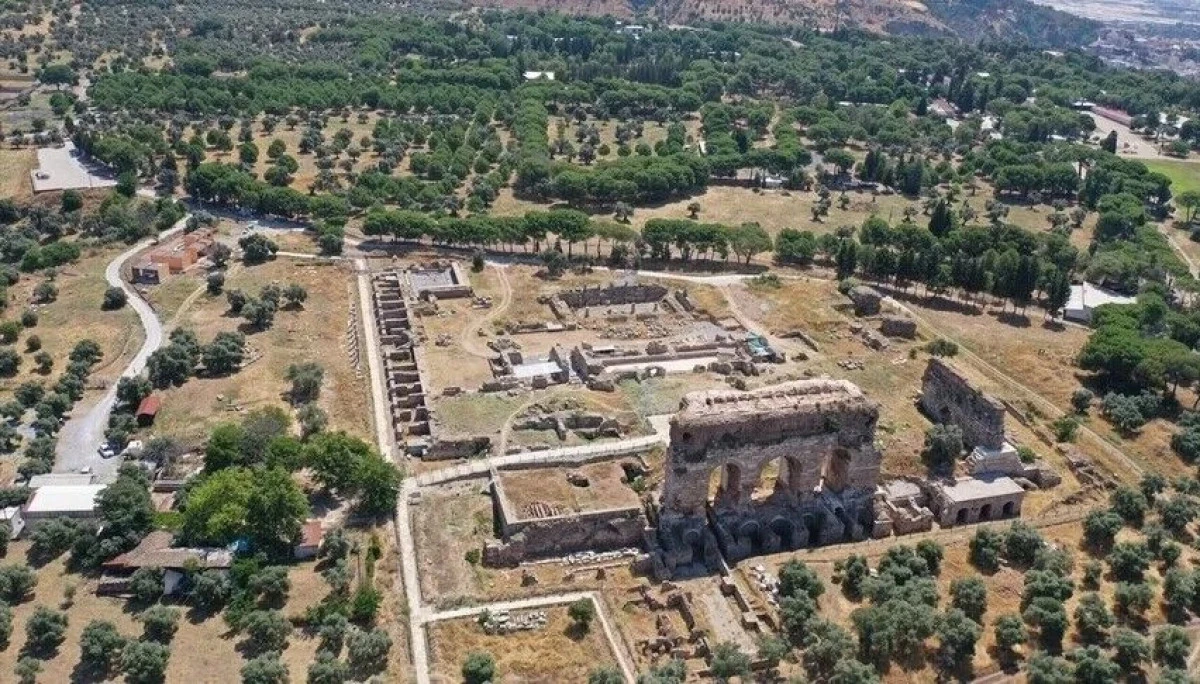
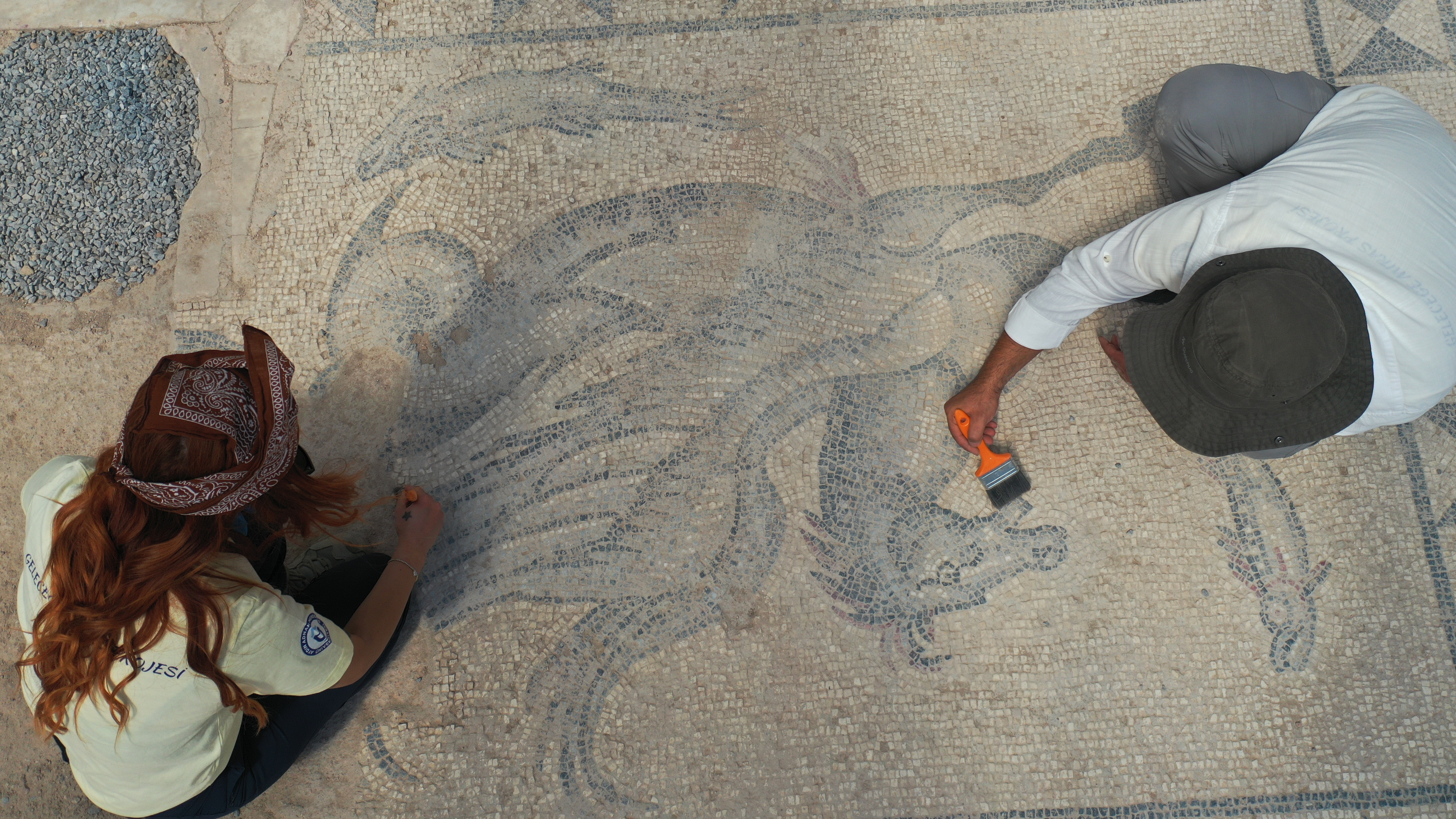
Archaeologists excavating the ancient city of Tralleis in western Türkiye have uncovered a nearly 2,000-year-old hall featuring a well-preserved Roman-era floor mosaic depicting a hippocampus, a mythical sea creature associated with Poseidon. The discovery was made during ongoing excavations at the bath-gymnasium complex in the ancient city, located in the Efeler district of Aydin province, about 2 kilometers (1.2 miles) from the city center. The excavations are being led by Prof. Murat Cekilmez, a faculty member at Aydin Adnan Menderes University’s Faculty of Humanities and Social Sciences, as part of the Turkish Culture and Tourism Ministry’s Heritage for the Future project. Speaking to Anadolu, Cekilmez said the team had previously uncovered what it believes to be an Olympic-style swimming pool dating to the Roman period and had continued to reveal new evidence of daily life within the bath-gymnasium complex. In addition to Roman-era remains, archaeologists have also found artifacts from the Byzantine period.     Ancient center of education and science Cekilmez said the complex served as an important educational institution where children received instruction from an early age. "We also believe this was a centre of science because the structure contains spaces related to schooling. Physical education was also highly valued here. The gymnasium we see today trained many scholars, including doctors and engineers. Tralleis was known in antiquity as a place that produced writers and scientists, and our excavations are bringing this heritage back to light," he said. He added that this year’s excavations focused on the northern section of the bath-gymnasium complex, where archaeologists uncovered a mosaic-floored hall. "During the excavations, we found a mosaic depicting a hippocampus, the sacred animal associated with Poseidon. This indicates that the hall was actively used during the Roman Imperial period," he said.   Well-preserved mosaic Cekilmez said the discovery was particularly exciting because the area had initially appeared to contain only a Byzantine-era workshop. "When we first excavated the area, we found what seemed to be a Byzantine workshop above it. However, as the excavation progressed, we realised there was a mosaic floor beneath the structure. That was an exciting moment for us because it is a very well-preserved mosaic within the bath-gymnasium complex at Tralleis. It is significant both scientifically and for what it reveals about the daily life and mythology of the period," he said. He added that parts of the approximately 2,000-year-old mosaic had survived intact and that the team aimed to open the site to visitors in the near future.
Mosaic floor depicting Poseidon’s sacred hippocampus uncovered at Tralleis, where archaeologists say bath-gymnasium once served as major educational center

Archaeologists excavating the ancient city of Tralleis in western Türkiye have uncovered a nearly 2,000-year-old hall featuring a well-preserved Roman-era floor mosaic depicting a hippocampus, a mythical sea creature associated with Poseidon.

The discovery was made during ongoing excavations at the bath-gymnasium complex in the ancient city, located in the Efeler district of Aydin province, about 2 kilometers (1.2 miles) from the city center.

The excavations are being led by Prof. Murat Cekilmez, a faculty member at Aydin Adnan Menderes University’s Faculty of Humanities and Social Sciences, as part of the Turkish Culture and Tourism Ministry’s Heritage for the Future project.

Speaking to Anadolu, Cekilmez said the team had previously uncovered what it believes to be an Olympic-style swimming pool dating to the Roman period and had continued to reveal new evidence of daily life within the bath-gymnasium complex.

In addition to Roman-era remains, archaeologists have also found artifacts from the Byzantine period.


Ancient center of education and science

Cekilmez said the complex served as an important educational institution where children received instruction from an early age.

"We also believe this was a centre of science because the structure contains spaces related to schooling. Physical education was also highly valued here. The gymnasium we see today trained many scholars, including doctors and engineers. Tralleis was known in antiquity as a place that produced writers and scientists, and our excavations are bringing this heritage back to light," he said.

He added that this year’s excavations focused on the northern section of the bath-gymnasium complex, where archaeologists uncovered a mosaic-floored hall.

"During the excavations, we found a mosaic depicting a hippocampus, the sacred animal associated with Poseidon. This indicates that the hall was actively used during the Roman Imperial period," he said.


Well-preserved mosaic

Cekilmez said the discovery was particularly exciting because the area had initially appeared to contain only a Byzantine-era workshop.

"When we first excavated the area, we found what seemed to be a Byzantine workshop above it. However, as the excavation progressed, we realised there was a mosaic floor beneath the structure. That was an exciting moment for us because it is a very well-preserved mosaic within the bath-gymnasium complex at Tralleis. It is significant both scientifically and for what it reveals about the daily life and mythology of the period," he said.

He added that parts of the approximately 2,000-year-old mosaic had survived intact and that the team aimed to open the site to visitors in the near future.

Habere ifade bırak !
Habere ait etiket tanımlanmamış.
Okuyucu Yorumları (0)

Yorumunuz başarıyla alındı, inceleme ardından en kısa sürede yayına alınacaktır.

Yorum yazarak Topluluk Kuralları’nı kabul etmiş bulunuyor ve turkishpress.co.uk sitesine yaptığınız yorumunuzla ilgili doğrudan veya dolaylı tüm sorumluluğu tek başınıza üstleniyorsunuz. Yazılan tüm yorumlardan site yönetimi hiçbir şekilde sorumlu tutulamaz.
Sitemizden en iyi şekilde faydalanabilmeniz için çerezler kullanılmaktadır, sitemizi kullanarak çerezleri kabul etmiş saylırsınız.