

Antarctica pollution rising as tourism and research expand, study warns
ENGLISH 21.08.2025 - 16:30, Güncelleme: 28.08.2025 - 16:30
 

Antarctica pollution rising as tourism and research expand, study warns

Researchers say heavy metal particles in parts of Antarctica are now 10 times higher than 40 years ago
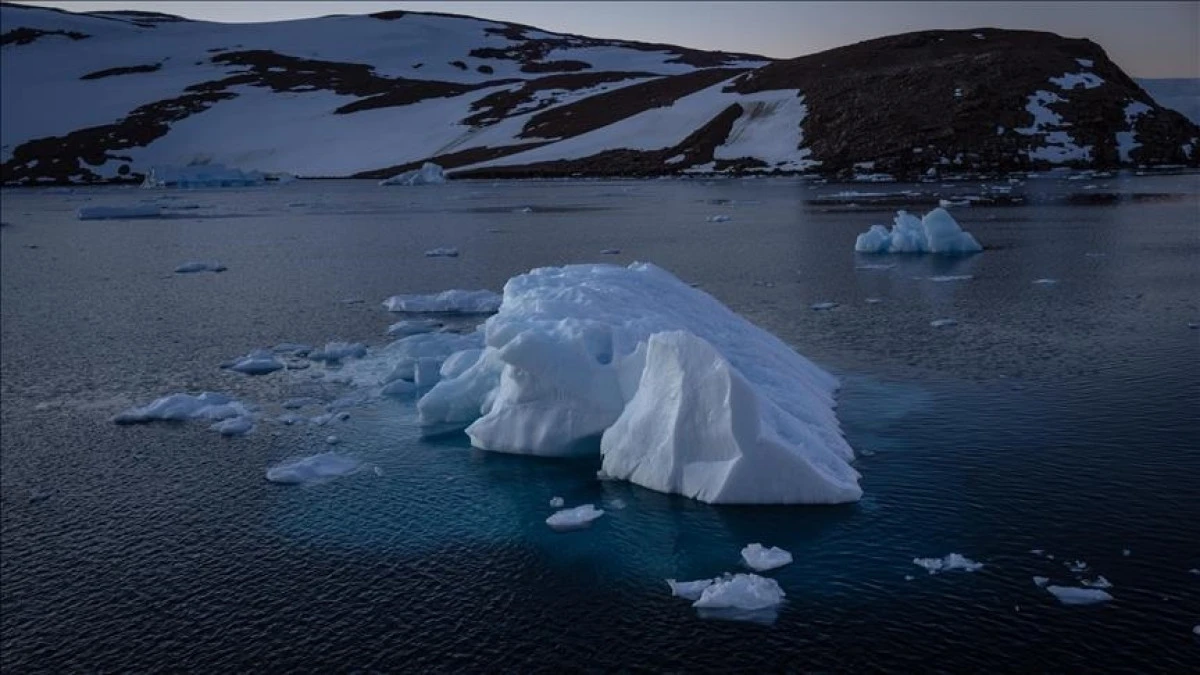
Antarctica, long seen as one of the planet’s last untouched wildernesses, is coming under growing pressure from human activity, with scientists warning that booming tourism and expanding research operations are driving rising levels of pollution. In areas of the continent where humans have been active, the concentration of fine particles containing heavy metals is now 10 times higher than it was 40 years ago, according to a new study published in the journal Nature Sustainability. The findings come as annual tourist visits over the past two decades have jumped sixfold from 20,000 to 120,000, figures from the International Association of Antarctica Tour Operators show. Researchers from countries including Chile and Germany spent four years travelling 2,000 kilometers (1,242 miles) across Antarctica to measure contamination. “We identify distinct spatial patterns shaped by crustal, marine, biogenic and anthropogenic sources. Notably, we detect heavy metal imprints in the snow chemistry of the northern Antarctic Peninsula, where major research stations are concentrated and marine tourism traffic is most intense," the researchers said. "Our findings shed light on the extent of the impacts from energy-intensive local activities in Antarctica, underscoring the need for enhanced environmental monitoring and sustainable management strategies in this fragile region,” they added.  
Researchers say heavy metal particles in parts of Antarctica are now 10 times higher than 40 years ago

Antarctica, long seen as one of the planet’s last untouched wildernesses, is coming under growing pressure from human activity, with scientists warning that booming tourism and expanding research operations are driving rising levels of pollution.

In areas of the continent where humans have been active, the concentration of fine particles containing heavy metals is now 10 times higher than it was 40 years ago, according to a new study published in the journal Nature Sustainability.

The findings come as annual tourist visits over the past two decades have jumped sixfold from 20,000 to 120,000, figures from the International Association of Antarctica Tour Operators show.

Researchers from countries including Chile and Germany spent four years travelling 2,000 kilometers (1,242 miles) across Antarctica to measure contamination.

“We identify distinct spatial patterns shaped by crustal, marine, biogenic and anthropogenic sources. Notably, we detect heavy metal imprints in the snow chemistry of the northern Antarctic Peninsula, where major research stations are concentrated and marine tourism traffic is most intense," the researchers said.

"Our findings shed light on the extent of the impacts from energy-intensive local activities in Antarctica, underscoring the need for enhanced environmental monitoring and sustainable management strategies in this fragile region,” they added.


Habere ifade bırak !
Habere ait etiket tanımlanmamış.
Okuyucu Yorumları (0)

Yorumunuz başarıyla alındı, inceleme ardından en kısa sürede yayına alınacaktır.

Yorum yazarak Topluluk Kuralları’nı kabul etmiş bulunuyor ve turkishpress.co.uk sitesine yaptığınız yorumunuzla ilgili doğrudan veya dolaylı tüm sorumluluğu tek başınıza üstleniyorsunuz. Yazılan tüm yorumlardan site yönetimi hiçbir şekilde sorumlu tutulamaz.
Sitemizden en iyi şekilde faydalanabilmeniz için çerezler kullanılmaktadır, sitemizi kullanarak çerezleri kabul etmiş saylırsınız.