

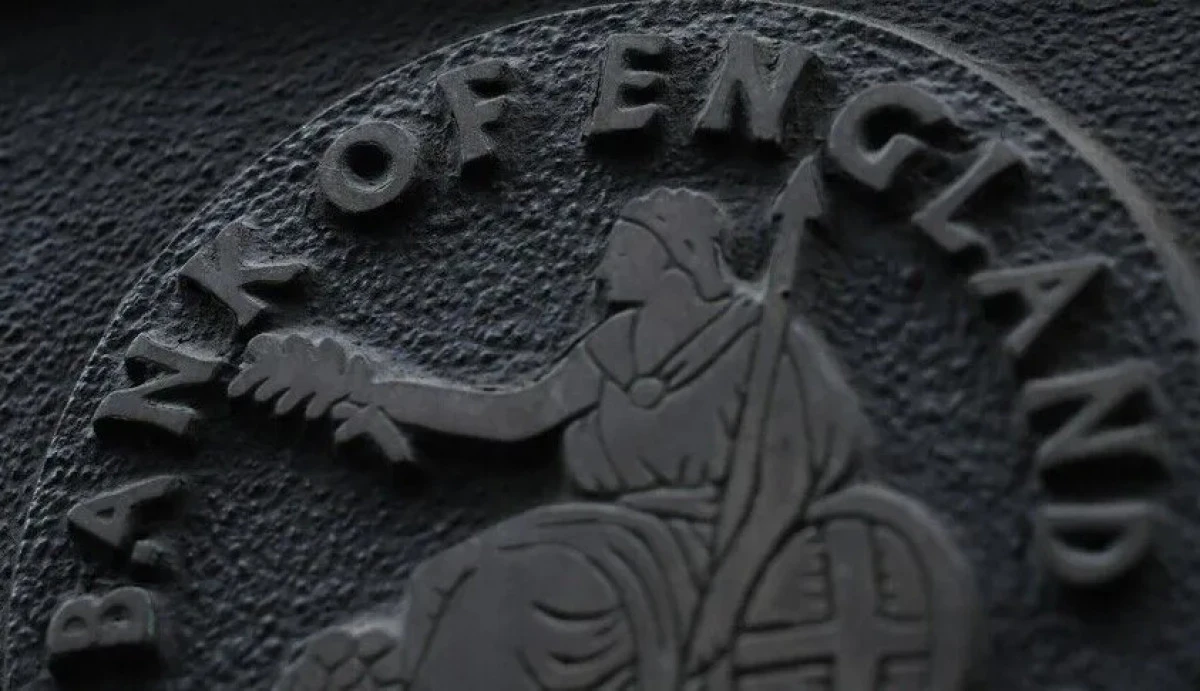
Bank of England holds rate at 3.75%, signals tightening if Middle East conflict persists
ENGLISH 17.09.2026 - 14:35, Güncelleme: 17.09.2026 - 14:35
 

Bank of England holds rate at 3.75%, signals tightening if Middle East conflict persists

3 policymakers favor quarter-point hike as energy shock pushes inflation risks further upward
The Bank of England on Thursday held its policy rate at 3.75% but signaled that monetary policy may have to tighten if the conflict in the Middle East persists and increases the risk that higher energy costs spread to wages and broader prices. “If the conflict in the Middle East persists for an extended period, as appears to be the case, and the risk of second-round effects emerging increases, it is likely that policy may have to tighten,” Governor Andrew Bailey said. The Monetary Policy Committee voted 6–3 to keep the Bank Rate unchanged, in line with market expectations. Megan Greene, Catherine Mann and Huw Pill favored a 25-basis-point increase to 4%. Annual consumer inflation rose to 3.1% in August, remaining above the bank’s 2% target. Based on energy prices as of Sept. 14, inflation is expected to climb to around 3.75% in the fourth quarter of 2026 and slightly above 4% in early 2027. The bank said the prolonged Middle East conflict had contributed to further increases in crude oil, natural gas and refined product prices, worsening the inflation outlook. Brent crude prices rose 36% and UK wholesale gas prices surged 78% from the period preceding the bank’s July report, reaching $106 per barrel and 207 pence per therm, respectively, on Sept. 14. Bailey said the energy shock had so far had a limited effect on UK prices and wages, but warned that prolonged volatility would make it “more likely ... we will need to raise Bank Rate.” The three members supporting a hike said the expected inflation peak in early 2027 would coincide with wage negotiations, increasing the likelihood that higher energy costs would generate second-round effects. The majority, however, judged that tight financial conditions and softness in the labor market were providing sufficient restraint for now. The UK economy expanded 0.4% in the second quarter, while the bank estimated the same growth rate for the third quarter, above its previous forecast of 0.1%. The unemployment rate stood at an estimated 4.9% in the three months to July, while underlying private-sector wage growth was around 3.5%. The committee also unanimously approved a plan to unwind fully the government bonds acquired under its quantitative-easing programs. The bank will reduce its remaining £368 billion ($491.8 billion) monetary-policy portfolio at an average annual pace of £46 billion, including annual sales of £20 billion, through September 2034.
3 policymakers favor quarter-point hike as energy shock pushes inflation risks further upward

The Bank of England on Thursday held its policy rate at 3.75% but signaled that monetary policy may have to tighten if the conflict in the Middle East persists and increases the risk that higher energy costs spread to wages and broader prices.

“If the conflict in the Middle East persists for an extended period, as appears to be the case, and the risk of second-round effects emerging increases, it is likely that policy may have to tighten,” Governor Andrew Bailey said.

The Monetary Policy Committee voted 6–3 to keep the Bank Rate unchanged, in line with market expectations. Megan Greene, Catherine Mann and Huw Pill favored a 25-basis-point increase to 4%.

Annual consumer inflation rose to 3.1% in August, remaining above the bank’s 2% target. Based on energy prices as of Sept. 14, inflation is expected to climb to around 3.75% in the fourth quarter of 2026 and slightly above 4% in early 2027.

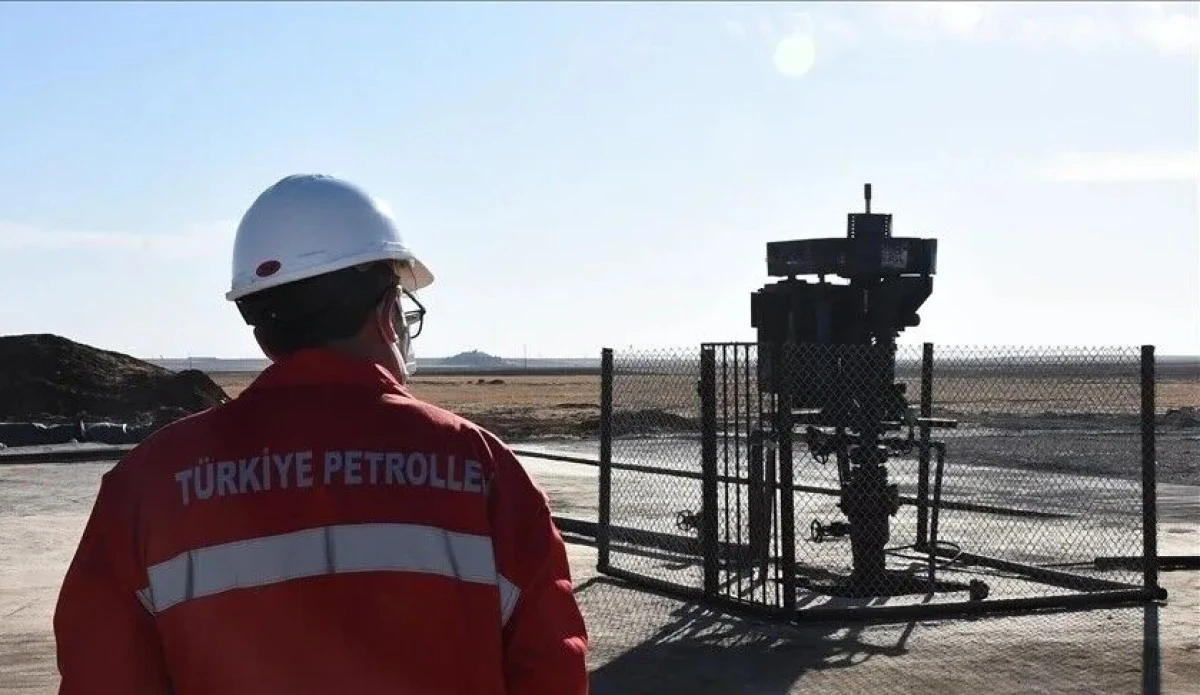
The bank said the prolonged Middle East conflict had contributed to further increases in crude oil, natural gas and refined product prices, worsening the inflation outlook.

Brent crude prices rose 36% and UK wholesale gas prices surged 78% from the period preceding the bank’s July report, reaching $106 per barrel and 207 pence per therm, respectively, on Sept. 14.

Bailey said the energy shock had so far had a limited effect on UK prices and wages, but warned that prolonged volatility would make it “more likely ... we will need to raise Bank Rate.”

The three members supporting a hike said the expected inflation peak in early 2027 would coincide with wage negotiations, increasing the likelihood that higher energy costs would generate second-round effects.

The majority, however, judged that tight financial conditions and softness in the labor market were providing sufficient restraint for now.

The UK economy expanded 0.4% in the second quarter, while the bank estimated the same growth rate for the third quarter, above its previous forecast of 0.1%.

The unemployment rate stood at an estimated 4.9% in the three months to July, while underlying private-sector wage growth was around 3.5%.

The committee also unanimously approved a plan to unwind fully the government bonds acquired under its quantitative-easing programs.

The bank will reduce its remaining £368 billion ($491.8 billion) monetary-policy portfolio at an average annual pace of £46 billion, including annual sales of £20 billion, through September 2034.

Habere ifade bırak !
Habere ait etiket tanımlanmamış.
Okuyucu Yorumları (0)

Yorumunuz başarıyla alındı, inceleme ardından en kısa sürede yayına alınacaktır.

Yorum yazarak Topluluk Kuralları’nı kabul etmiş bulunuyor ve turkishpress.co.uk sitesine yaptığınız yorumunuzla ilgili doğrudan veya dolaylı tüm sorumluluğu tek başınıza üstleniyorsunuz. Yazılan tüm yorumlardan site yönetimi hiçbir şekilde sorumlu tutulamaz.
Sitemizden en iyi şekilde faydalanabilmeniz için çerezler kullanılmaktadır, sitemizi kullanarak çerezleri kabul etmiş saylırsınız.