

Japan’s newly-launched satellite to inspect debris in space
ENGLISH 19.02.2024 - 15:18, Güncelleme: 19.02.2024 - 15:18
 

Japan’s newly-launched satellite to inspect debris in space

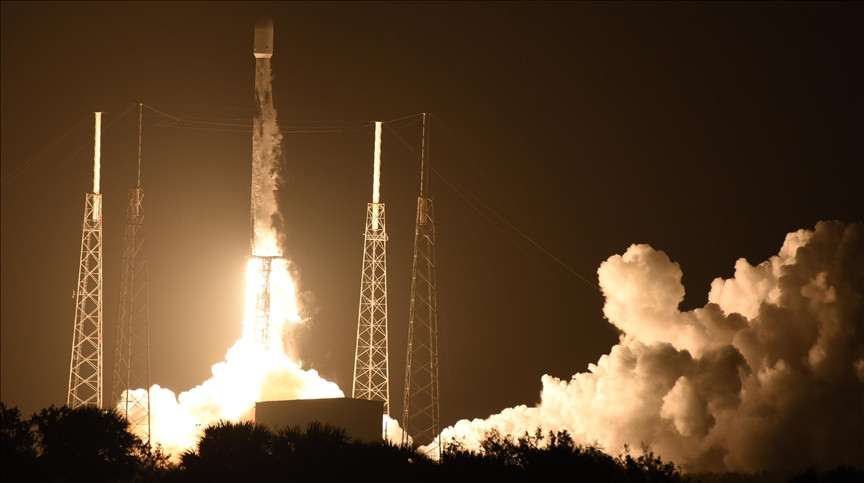
Astroscale, a Japanese startup, launched ADRAS-J satellite from New Zealand on Sunday
Japanese startup Astroscale launched its commercial debris inspection satellite, the company said on Monday. The ADRAS-J satellite was launched into space from New Zealand on Sunday, it said. It said the space mission “is the world’s first attempt to safely approach, characterize and survey the state of an existing piece of large debris through “rendezvous and proximity operations capabilities.” “The Astroscale Japan mission operations team in Tokyo has successfully made contact with ADRAS-J and is ready to start operations,” said Eijiro Atarashi, ADRAS-J Project Manager. “This milestone signals the start of our mission, and we are excited to survey and characterize a real piece of debris through our innovative rendezvous and proximity operations capabilities,” he added. ADRAS-J is designed to “rendezvous with a Japanese H2A upper stage rocket body, demonstrate proximity operations, and gather images to assess the rocket body’s movement and condition of the structure.”
Astroscale, a Japanese startup, launched ADRAS-J satellite from New Zealand on Sunday

Japanese startup Astroscale launched its commercial debris inspection satellite, the company said on Monday.

The ADRAS-J satellite was launched into space from New Zealand on Sunday, it said.

It said the space mission “is the world’s first attempt to safely approach, characterize and survey the state of an existing piece of large debris through “rendezvous and proximity operations capabilities.”

“The Astroscale Japan mission operations team in Tokyo has successfully made contact with ADRAS-J and is ready to start operations,” said Eijiro Atarashi, ADRAS-J Project Manager.

“This milestone signals the start of our mission, and we are excited to survey and characterize a real piece of debris through our innovative rendezvous and proximity operations capabilities,” he added.

ADRAS-J is designed to “rendezvous with a Japanese H2A upper stage rocket body, demonstrate proximity operations, and gather images to assess the rocket body’s movement and condition of the structure.”

Habere ifade bırak !
Habere ait etiket tanımlanmamış.
Okuyucu Yorumları (0)

Yorumunuz başarıyla alındı, inceleme ardından en kısa sürede yayına alınacaktır.

Yorum yazarak Topluluk Kuralları’nı kabul etmiş bulunuyor ve turkishpress.co.uk sitesine yaptığınız yorumunuzla ilgili doğrudan veya dolaylı tüm sorumluluğu tek başınıza üstleniyorsunuz. Yazılan tüm yorumlardan site yönetimi hiçbir şekilde sorumlu tutulamaz.
Sitemizden en iyi şekilde faydalanabilmeniz için çerezler kullanılmaktadır, sitemizi kullanarak çerezleri kabul etmiş saylırsınız.