

Three years of genocide: Evictions, demolitions deepen pressure on Palestinians in East Jerusalem
Three years of genocide: Evictions, demolitions deepen pressure on Palestinians in East Jerusalem

Rae'd Basbous, who lost his family home to Israeli occupiers, says this reflects a state policy to displace Palestinians from occupied East Jerusalem
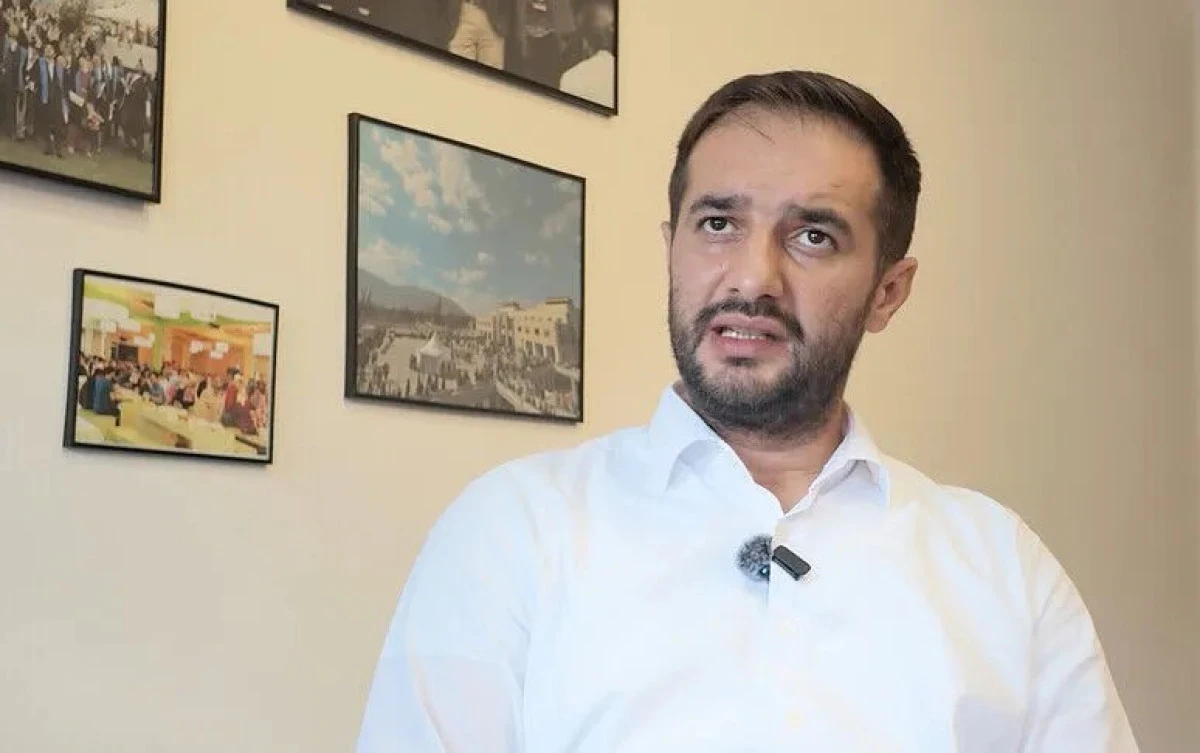
For Rae'd Basbous, the loss of his family home in occupied East Jerusalem was the culmination of an 11-year legal battle that began when his children were still young.
It ended with a phone call and less than 24 hours to vacate the house.
Basbous, 49, said their house was built in 1963 on land his grandfather bought in the Batn al-Hawa neighborhood in the Palestinian village of Silwan.
For more than six decades, the house was the center of their family life.
His father and uncles lived there with his grandfather. Later, Basbous and his brother raised their own families in the same building.
Then, in 2015, they received an eviction order sought by Israeli occupiers.
"We appointed lawyers, submitted documents, and opposed this eviction order in different courts," Basbous told Anadolu.
Israel's Supreme Court, however, rejected the family's appeals in 2026.
Basbous said his family's experience was not an isolated case.
He estimates that about 86 Palestinian families live in Batn al-Hawa, with more than half either already evicted or facing final eviction orders.
"What happened to the families in Batn al-Hawa neighborhood is a part of Israeli policy,” he said.
They want to alter Jerusalem’s demographic makeup by pushing Palestinians out of the city and bringing in Jewish families instead, Basbous said.
For Basbous, the international response has been deeply disappointing.
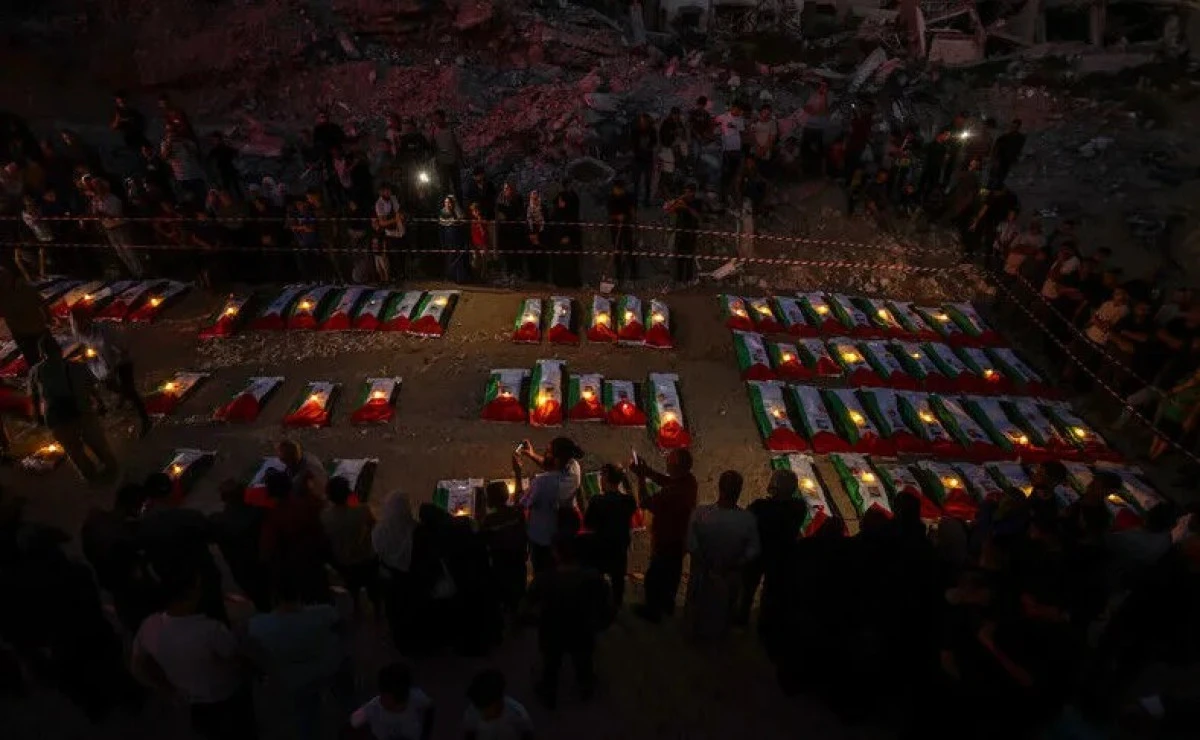
“No one supports us,” he said, as Israel's genocide in Gaza nears three years.
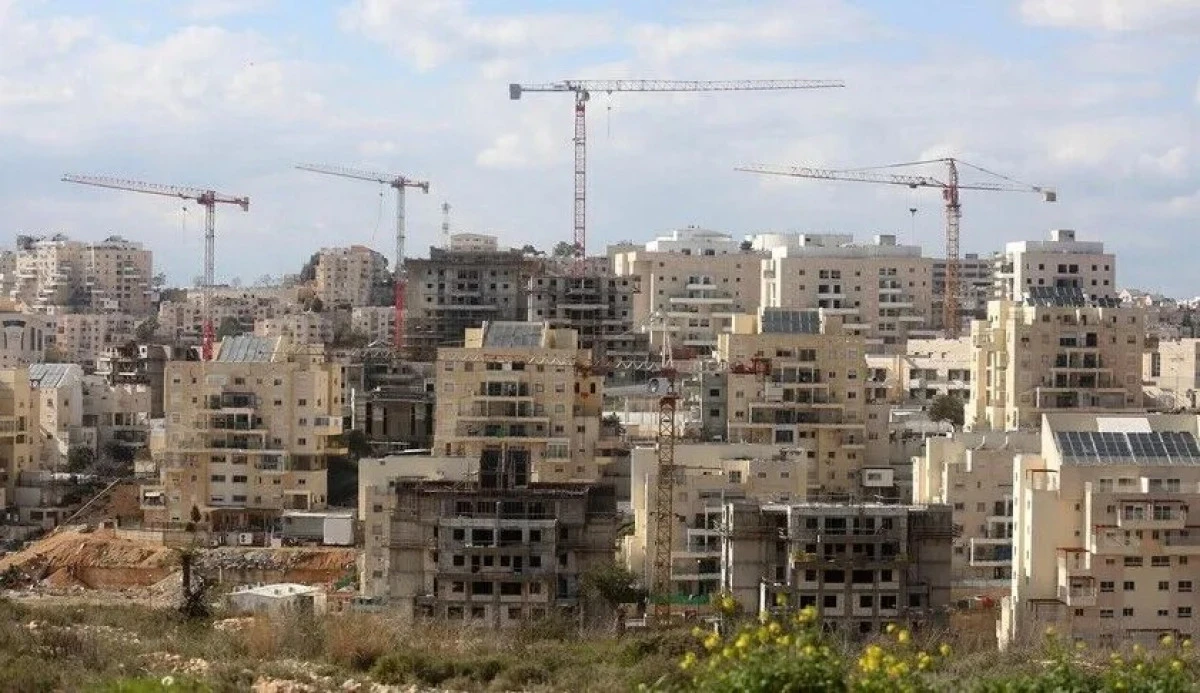
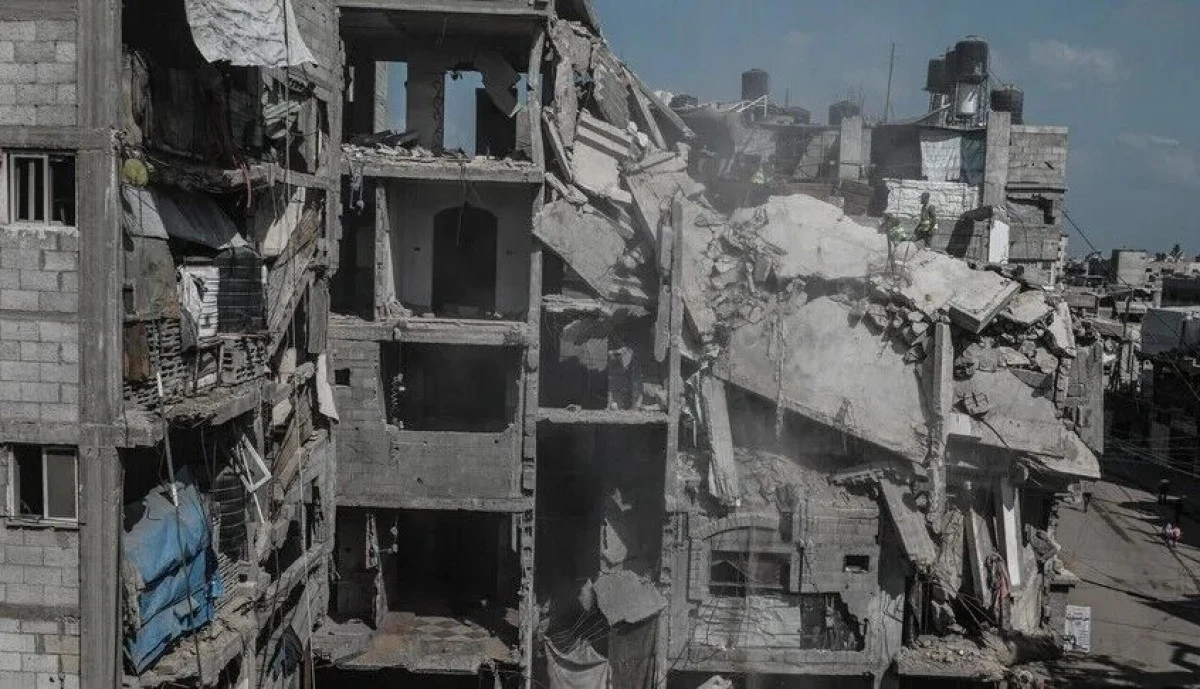
While the war in Gaza has been marked by relentless bombardment, Palestinians in East Jerusalem have faced mounting pressure through evictions, home demolitions, settlement expansion and other measures.
Broader pattern of displacement
Palestinian rights organizations say the pressure on residents does not come through evictions alone.
Home demolitions, construction restrictions, illegal settlement expansion, land confiscation and residency policies all affect Palestinians living in East Jerusalem.
Rami Saleh, Jerusalem branch director of the Jerusalem Legal Aid and Human Rights Center, said Palestinians were being used as bait for the upcoming Israeli election.
"Right now we are heading to the Israel elections... and this is from our experience: Israelis are using Palestinians as fuel to the Israel elections," he said.
Each election, he said, is a competition over “who will violate Palestinian rights more.”
Saleh cited figures collected by his organization that showed 5,100 new illegal settlement housing units had been approved in East Jerusalem during the first eight months of this year.
What they want in East Jerusalem is “ethnic cleansing of Palestinians," he said.
Pointing to Article 2 of the EU-Israel Association Agreement, which commits both parties to respect human rights and democratic principles, he said: "Everybody knows that Israel is not respecting human rights.”
“They can stop this agreement … and this will be helpful for Palestinians because putting pressure on Israel will make them think again and again about … (what) they are doing in the occupied Palestinian territories," Saleh said.
'You become a stranger'
East Jerusalem has been occupied by Israel since 1967, and is physically and administratively separated from much of the occupied West Bank due to a complex system of Israeli residency rules, checkpoints and a separation barrier.
The result is a city in which Palestinian communities can find themselves simultaneously inside Jerusalem's municipal boundaries and physically disconnected from much of the city.
Samer Daoudi, director of the Jerusalem Human Rights Consortium, described a pattern in which restrictions that Palestinians once experienced as temporary have become normalized.
It's gotten worse in the last three years, he said.
"Dehumanizing and demonizing” Palestinians has become the norm, he added.
"So you become a stranger in the country that you've grown up in," Daoudi said.
He recalled cases involving Palestinians seeking permits to travel, women trying to reach medical facilities and families attempting to register children. "Everyone in East Jerusalem, and across the occupied Palestinian territory has a story," he said.
"Some people died because they didn't get a permit because they have travel bans."
He said such stories had become increasingly normalized.
"You hear the stories, but then it becomes normalized... People become numb to them, and that has to be broken," Daoudi said.
For Daoudi, the issue is ultimately about whether international rules are applied consistently.
"I think there is a moral stance, a collective moral stance.
"If you see one of the countries not abiding by them … then there should be some sort of accountability," he added.
He warned that allowing violations to go without consequences could have repercussions beyond the Palestinian territories.
Women and children pay another price
Randa Siniora, director of the Women's Center for Legal Aid and Counseling, said women and children are disproportionately impacted.
Siniora highlighted the effects of movement restrictions, checkpoints and the separation of East Jerusalem from other parts of the occupied Palestinian territory.
She said Palestinian women had experienced problems accessing health care and traveling between communities, while some had gone into labor and given birth at checkpoints.
Siniora also described sexual harassment and sexual violence during arrests and said women living near agricultural land can be particularly exposed to occupier attacks.
"Women are always around their homes, around their agricultural land, and therefore they are at the forefront with the settler violence, which is in complicity with the soldiers and the police," she said.
She called on the international community to fulfill its legal and moral obligations under international law and to challenge the “culture of impunity.”
Siniora urged the European Union and other international actors to take an active role in addressing the Israeli-Palestinian conflict, arguing that decades of occupation had produced realities on the ground that could not be reversed through statements alone.
"The whole call for a two-state solution is becoming irrelevant under the facts on ground," Siniora said.
Yorumunuz başarıyla alındı, inceleme ardından en kısa sürede yayına alınacaktır.