

Strait of Hormuz disruptions risk pushing smaller firms out of global value chains: UN report
Strait of Hormuz disruptions risk pushing smaller firms out of global value chains: UN report
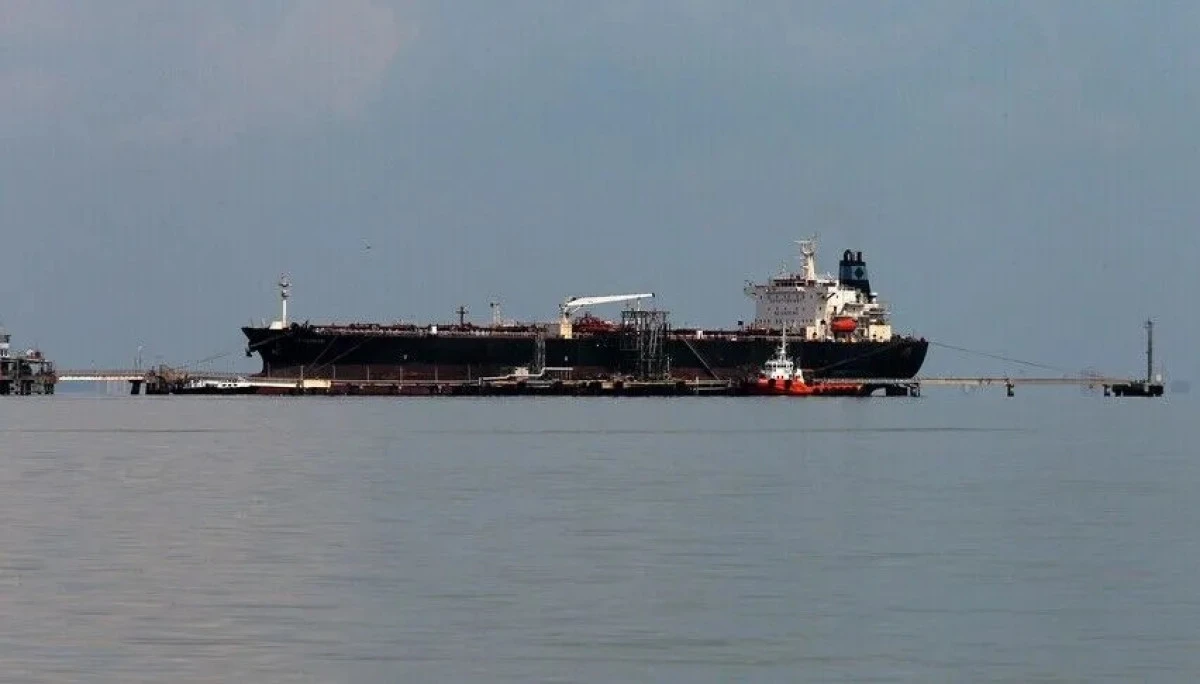

UN Trade and Development warns rising energy, freight, insurance and financing costs disproportionately burden SMEs, particularly in developing economies
Disruptions in the Strait of Hormuz risk pushing small and medium-sized enterprises (SMEs) out of global value chains as rising costs hit smaller firms harder than large companies, UN Trade and Development (UNCTAD) warned Tuesday.
In a report, UNCTAD said large companies can spread risks across suppliers, markets and financing sources, while SMEs typically have fewer options. Higher energy, transport and financing costs can squeeze margins, disrupt supply chains and force smaller businesses to cut production, delay investment or exit altogether.
The agency warned that smaller firms could remain excluded from value chains even after global trade volumes recover from shocks, with rising energy bills, freight rates, insurance premiums and financing constraints placing heavier burdens on them.
The disparity is particularly pronounced in developing economies. For small firms, complying with import requirements costs an average 19.4% of the value of directly imported products, compared with 8.3% in developed economies. For medium-sized firms, the respective costs are 17.5% and 7.8%, while for large firms they stand at 14.7% and 7.6%.
Smaller firms also face greater barriers to financing. In developing economies, 48% of small firms viewed access to finance as an obstacle to their operations, compared with 42% of medium-sized and 38% of large firms.
In developed economies, the respective shares were 28%, 23% and 20%, according to UNCTAD data covering 90,120 firms across 114 developing and 43 developed economies.
UNCTAD warned that when SMEs are pushed out of value chains, unemployment can rise, household incomes decline and social vulnerability increase.
"Trade resilience requires SMEs to remain part of value chains," the report said. "Otherwise, recovery may simply mask greater concentration among larger firms."
It called for stronger access to trade finance, liquidity and working capital, as well as affordable logistics and measures to help SMEs maintain and diversify supplier and customer relationships.
"As engines of job-creation, micro, small and medium-sized enterprises are critical to every country's future," UN Secretary General Antonio Guterres said in the report.
The Islamabad memorandum was signed in June following mediation by Pakistan and Qatar, providing for an end to hostilities and a framework for negotiations between Tehran and Washington.
Iran has accused the US of failing to implement key provisions of the understanding, including measures related to sanctions and the naval blockade, while Washington and Gulf countries have called for free and unrestricted navigation through the Strait of Hormuz.
Iran and Oman have since been holding talks on a temporary transit route through the strategic waterway, with Tehran saying the arrangement would be temporary while discussions continue on a permanent mechanism.
Yorumunuz başarıyla alındı, inceleme ardından en kısa sürede yayına alınacaktır.