

Turkish Central Bank says strong exports offset energy import surge despite geopolitical risks
ENGLISH 06.07.2026 - 12:02, Güncelleme: 06.07.2026 - 12:02
 

Turkish Central Bank says strong exports offset energy import surge despite geopolitical risks

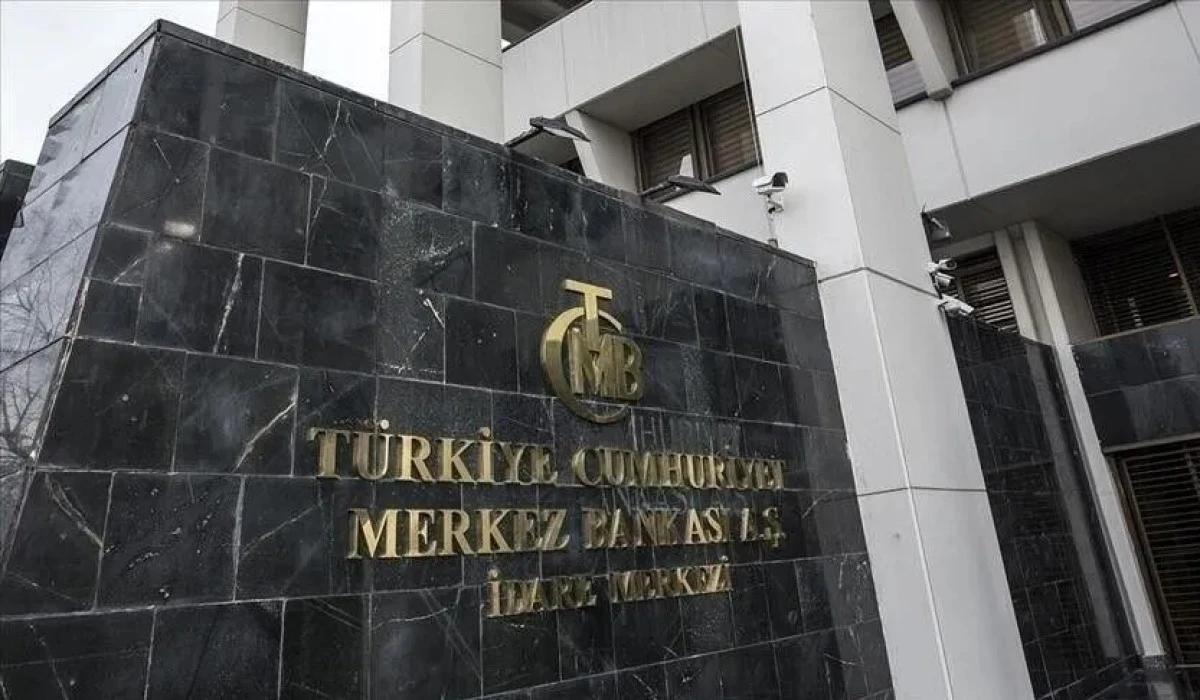
'Despite a marked increase in energy imports, exports remained strong and foreign trade balance improved,' central bank blog says
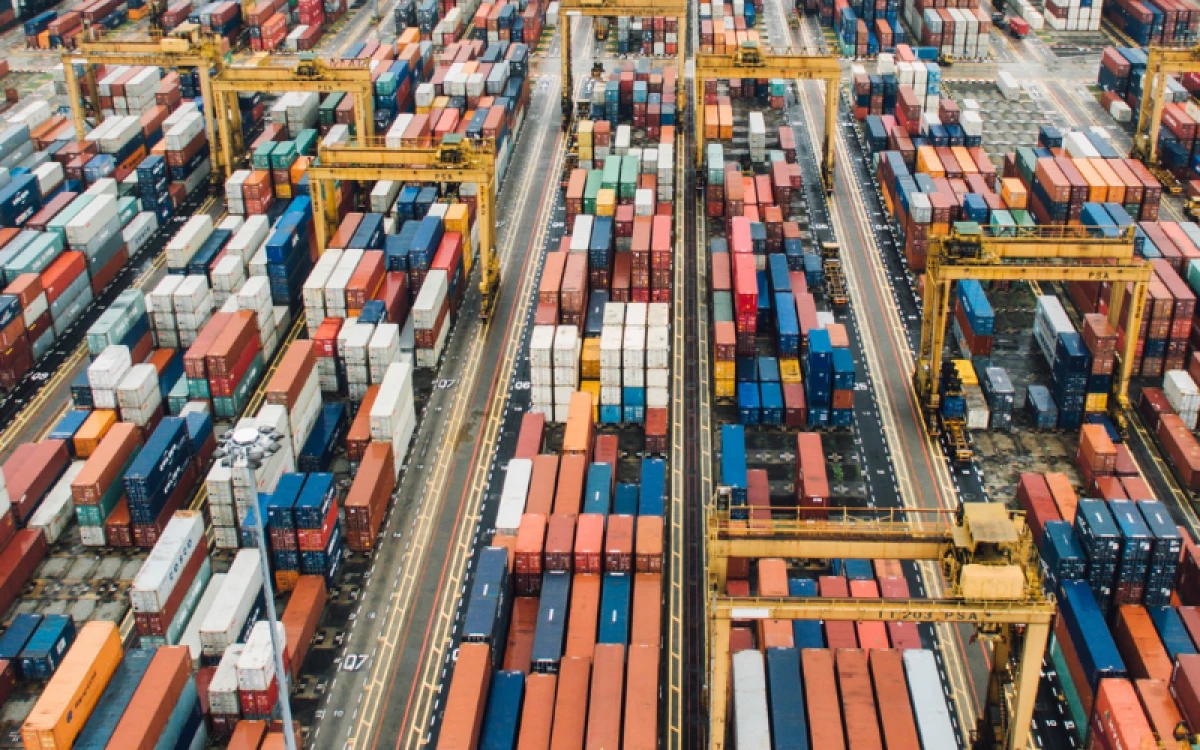
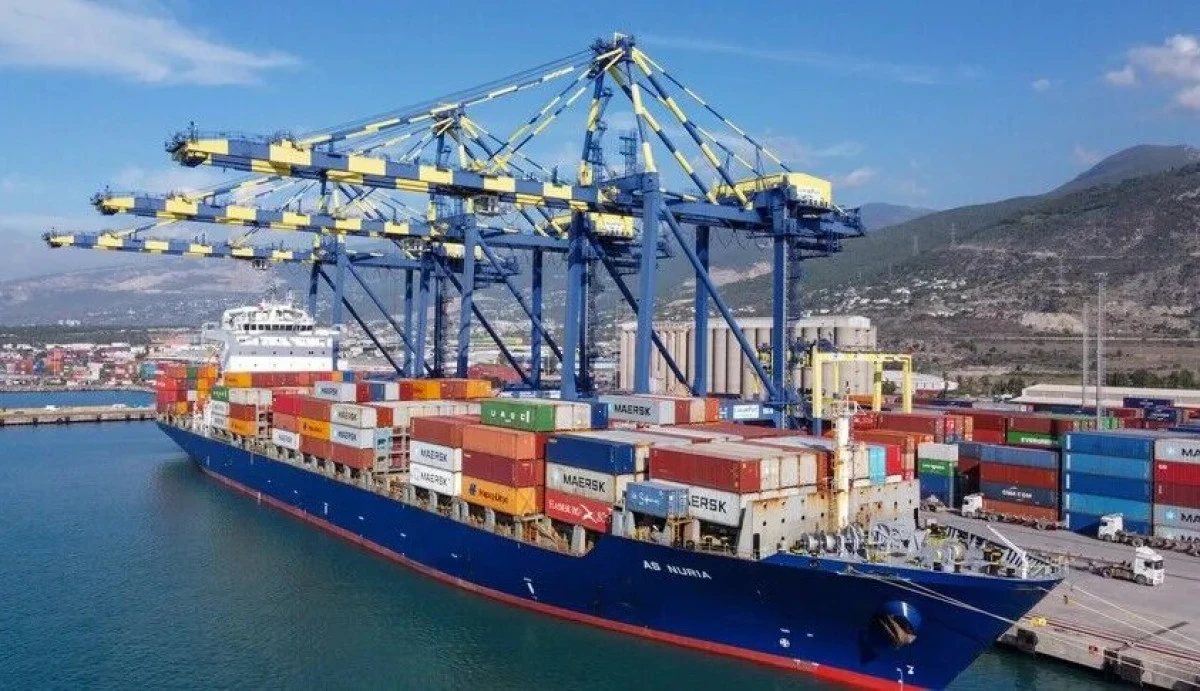
Türkiye’s foreign trade balance improved in the second quarter despite a sharp rise in energy imports, as exports remained strong and non-energy imports declined, according to an analysis published Monday on the Turkish Central Bank’s blog. It said geopolitical developments can weigh on the foreign trade balance through energy prices and global supply chains, adding that the US/Israel-Iran war, which broke out at the end of February 2026, had been expected to weaken Türkiye’s foreign trade outlook. “However, second-quarter data painted a different picture. Despite a marked increase in energy imports, exports remained strong and the foreign trade balance improved,” the analysis said. The war’s most immediate impact was seen in energy markets, with second-quarter averages showing Brent crude prices up 55.2% year-on-year and natural gas prices up 28.2%. In parallel, Türkiye’s energy imports, adjusted for calendar effects, rose 32.4% annually, reflecting not only the composition of energy imports but also supply agreements, spot purchases and lead times, the analysis said. It noted that although recent price normalization points to a slowdown in energy import growth, upside risks have not fully disappeared in the short term because price developments affect imports with a lag.   Exports drive improvement The analysis said energy prices alone do not determine the external balance, as the current account is also shaped by export performance, services revenues and domestic demand. It said the current period differed from 2022, when the surge in energy costs during the Russia-Ukraine war placed much stronger pressure on the external balance. “This divergence was primarily driven by exports,” it said, noting that exports rose significantly in the second quarter despite the negative energy outlook. Exports to Middle Eastern countries fell sharply in March after the outbreak of the war but recovered in the second quarter, the analysis said. The realignment of global supply chains also supported exports, as uncertainty over Far East shipments following the closure of the Strait of Hormuz, longer delivery times and higher freight and insurance costs shifted demand toward Türkiye. Firm interviews indicated that the increase in demand was driven mainly by Europe and precautionary buying, while firms initially viewed the rise as temporary, it said. Precautionary purchases supported exports in chemical products and base metals, while supplier diversification boosted apparel and textile exports. The analysis also pointed to the increasing contribution of the defense industry, whose share in total exports rose by around 2.3 percentage points over the past four years to 4%.   Non-energy imports decline The other factor behind the improvement was the composition of imports, the analysis said. It noted that the rise in imports in the second quarter was entirely driven by energy, while imports excluding energy declined. Imports of intermediate goods excluding gold and energy remained unchanged, while investment and consumption goods imports decreased, in line with weak domestic demand and favorable export order expectations. High-frequency domestic demand indicators, such as credit card spending, also confirmed the slowdown in consumer goods import demand, it said. Purchasing Managers’ Index data showed that production declined in the second quarter, while export demand expectations increased. “In sum, the adverse impact of rising energy prices on the foreign trade balance in the second quarter was largely offset by the robust course of exports,” the analysis said. It added that weak domestic demand driven by tight monetary policy changed the composition of imports and supported the improvement in the foreign trade balance. “Taken together with the recent normalization in energy prices, these developments suggest that the upside risks posed by the war to the current account deficit have diminished compared with a few months earlier,” it said.
'Despite a marked increase in energy imports, exports remained strong and foreign trade balance improved,' central bank blog says

Türkiye’s foreign trade balance improved in the second quarter despite a sharp rise in energy imports, as exports remained strong and non-energy imports declined, according to an analysis published Monday on the Turkish Central Bank’s blog.

It said geopolitical developments can weigh on the foreign trade balance through energy prices and global supply chains, adding that the US/Israel-Iran war, which broke out at the end of February 2026, had been expected to weaken Türkiye’s foreign trade outlook.

“However, second-quarter data painted a different picture. Despite a marked increase in energy imports, exports remained strong and the foreign trade balance improved,” the analysis said.

The war’s most immediate impact was seen in energy markets, with second-quarter averages showing Brent crude prices up 55.2% year-on-year and natural gas prices up 28.2%.

In parallel, Türkiye’s energy imports, adjusted for calendar effects, rose 32.4% annually, reflecting not only the composition of energy imports but also supply agreements, spot purchases and lead times, the analysis said.

It noted that although recent price normalization points to a slowdown in energy import growth, upside risks have not fully disappeared in the short term because price developments affect imports with a lag.


Exports drive improvement

The analysis said energy prices alone do not determine the external balance, as the current account is also shaped by export performance, services revenues and domestic demand.

It said the current period differed from 2022, when the surge in energy costs during the Russia-Ukraine war placed much stronger pressure on the external balance.

“This divergence was primarily driven by exports,” it said, noting that exports rose significantly in the second quarter despite the negative energy outlook.

Exports to Middle Eastern countries fell sharply in March after the outbreak of the war but recovered in the second quarter, the analysis said.

The realignment of global supply chains also supported exports, as uncertainty over Far East shipments following the closure of the Strait of Hormuz, longer delivery times and higher freight and insurance costs shifted demand toward Türkiye.

Firm interviews indicated that the increase in demand was driven mainly by Europe and precautionary buying, while firms initially viewed the rise as temporary, it said.

Precautionary purchases supported exports in chemical products and base metals, while supplier diversification boosted apparel and textile exports.

The analysis also pointed to the increasing contribution of the defense industry, whose share in total exports rose by around 2.3 percentage points over the past four years to 4%.


Non-energy imports decline

The other factor behind the improvement was the composition of imports, the analysis said.

It noted that the rise in imports in the second quarter was entirely driven by energy, while imports excluding energy declined.

Imports of intermediate goods excluding gold and energy remained unchanged, while investment and consumption goods imports decreased, in line with weak domestic demand and favorable export order expectations.

High-frequency domestic demand indicators, such as credit card spending, also confirmed the slowdown in consumer goods import demand, it said.

Purchasing Managers’ Index data showed that production declined in the second quarter, while export demand expectations increased.

“In sum, the adverse impact of rising energy prices on the foreign trade balance in the second quarter was largely offset by the robust course of exports,” the analysis said.

It added that weak domestic demand driven by tight monetary policy changed the composition of imports and supported the improvement in the foreign trade balance.

“Taken together with the recent normalization in energy prices, these developments suggest that the upside risks posed by the war to the current account deficit have diminished compared with a few months earlier,” it said.

Habere ifade bırak !
Habere ait etiket tanımlanmamış.
Okuyucu Yorumları (0)

Yorumunuz başarıyla alındı, inceleme ardından en kısa sürede yayına alınacaktır.

Yorum yazarak Topluluk Kuralları’nı kabul etmiş bulunuyor ve turkishpress.co.uk sitesine yaptığınız yorumunuzla ilgili doğrudan veya dolaylı tüm sorumluluğu tek başınıza üstleniyorsunuz. Yazılan tüm yorumlardan site yönetimi hiçbir şekilde sorumlu tutulamaz.
Sitemizden en iyi şekilde faydalanabilmeniz için çerezler kullanılmaktadır, sitemizi kullanarak çerezleri kabul etmiş saylırsınız.