

Devices placed in Sea of Marmara to increase oxygen level
ENGLISH 22.06.2021 - 22:37, Güncelleme: 22.06.2021 - 22:37
 

Devices placed in Sea of Marmara to increase oxygen level

Fight against mucilage troubling Sea of Marmara underway
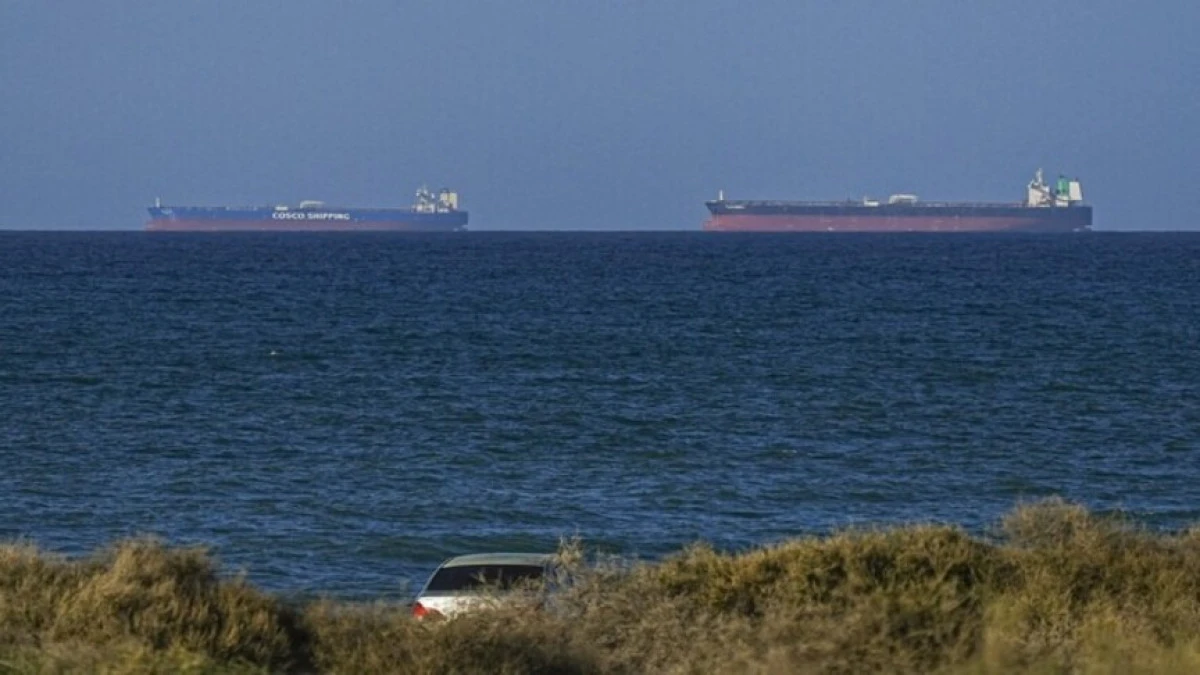
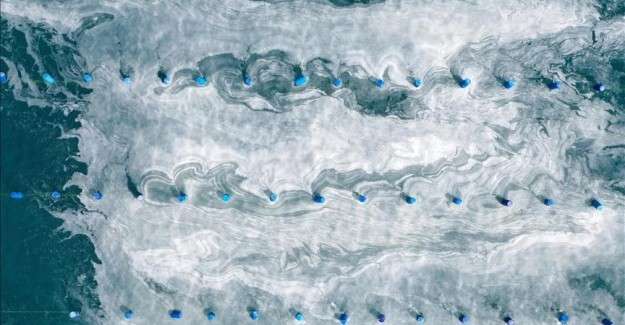
Some devices to increase the level of oxygen in the Sea of Marmara were placed on Tuesday as part of the fight against mucilage off the coasts of metropolis Istanbul and northwestern Kocaeli province. The devices were placed at five different points in the Gulf of Izmit and off Pendik to contain mucilage, also known as sea snot, which has been troubling the Sea of Marmara. Turkey's Environment and Urbanization Minister Murat Kurum placed one of the devices into the sea after inspecting the clean-up operation. In the northwestern Canakkale province, the intensity of mucilage around the coast of the historical Gallipoli peninsula has also increased since Monday. The mucilage has been affecting the area between Gallipoli and Eceabat in Canakkale province, covering certain parts of the coastal region. Spreading with the effect of the wind, the sea snot was also observed in areas of fishery production. Mucilage is an overgrowth of microscopic algae called phytoplankton caused by rising seawater temperatures due to global warming, stagnant water, and pollution. This year, mucilage was detected in January and then intensified and expanded in April, resulting in a serious problem contrary to previous phenomena when it usually disappeared in a month or 45 days. As it continued to increase in May and June, the Turkish authorities announced a comprehensive action plan to clean up the Sea of Marmara on June 6.
Fight against mucilage troubling Sea of Marmara underway

Some devices to increase the level of oxygen in the Sea of Marmara were placed on Tuesday as part of the fight against mucilage off the coasts of metropolis Istanbul and northwestern Kocaeli province.

The devices were placed at five different points in the Gulf of Izmit and off Pendik to contain mucilage, also known as sea snot, which has been troubling the Sea of Marmara.

Turkey's Environment and Urbanization Minister Murat Kurum placed one of the devices into the sea after inspecting the clean-up operation.

In the northwestern Canakkale province, the intensity of mucilage around the coast of the historical Gallipoli peninsula has also increased since Monday.

The mucilage has been affecting the area between Gallipoli and Eceabat in Canakkale province, covering certain parts of the coastal region.

Spreading with the effect of the wind, the sea snot was also observed in areas of fishery production.

Mucilage is an overgrowth of microscopic algae called phytoplankton caused by rising seawater temperatures due to global warming, stagnant water, and pollution.

This year, mucilage was detected in January and then intensified and expanded in April, resulting in a serious problem contrary to previous phenomena when it usually disappeared in a month or 45 days.

As it continued to increase in May and June, the Turkish authorities announced a comprehensive action plan to clean up the Sea of Marmara on June 6.

Habere ifade bırak !
Habere ait etiket tanımlanmamış.
Okuyucu Yorumları (0)

Yorumunuz başarıyla alındı, inceleme ardından en kısa sürede yayına alınacaktır.
Yorum yazarak Topluluk Kuralları’nı kabul etmiş bulunuyor ve turkishpress.co.uk sitesine yaptığınız yorumunuzla ilgili doğrudan veya dolaylı tüm sorumluluğu tek başınıza üstleniyorsunuz. Yazılan tüm yorumlardan site yönetimi hiçbir şekilde sorumlu tutulamaz.
Sitemizden en iyi şekilde faydalanabilmeniz için çerezler kullanılmaktadır, sitemizi kullanarak çerezleri kabul etmiş saylırsınız.