

Eurovision faces renewed ‘Zionist-washing’ criticism over Israel
Eurovision faces renewed ‘Zionist-washing’ criticism over Israel

Israel’s participation in Eurovision 2026 is triggering protests, boycott campaigns and criticism from broadcasters and activists across Europe
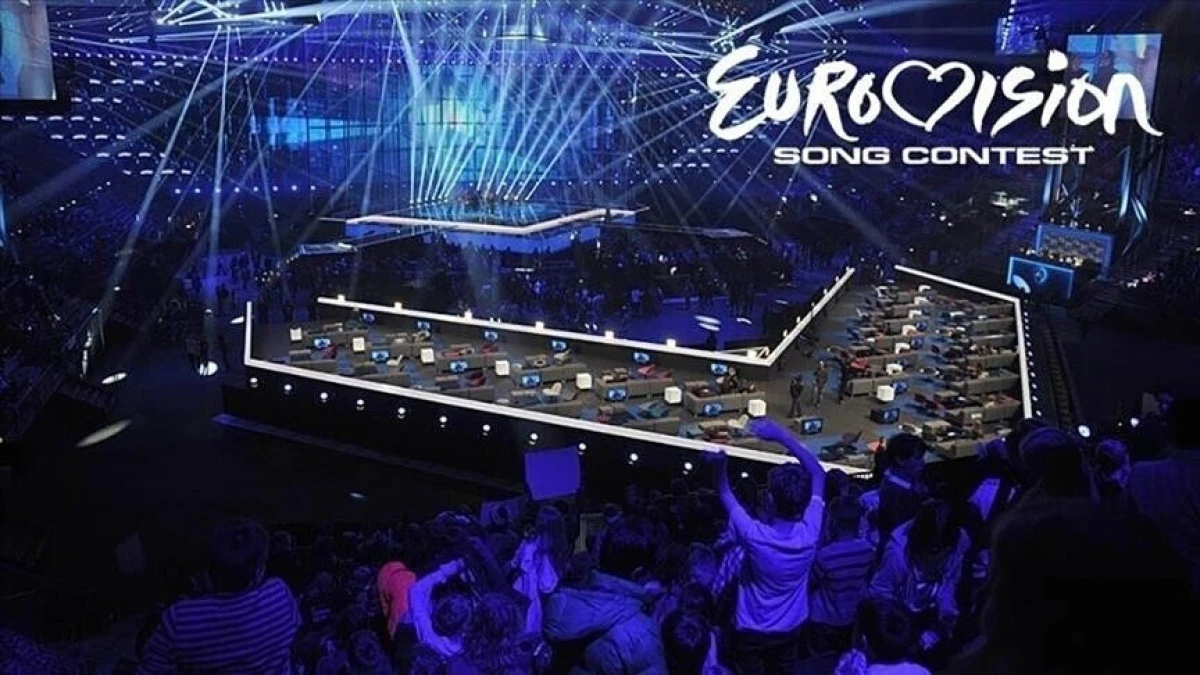
As Eurovision 2026 opens in Vienna this week, the contest is once again facing political controversy over Israel’s participation, with protests, boycott calls and criticism from media workers spreading across Europe.
The 70th Eurovision Song Contest is being held at Vienna’s Wiener Stadthalle, with semi-finals scheduled for May 12 and 14, followed by the grand final on May 16. Austria is hosting the competition after singer JJ won the 2025 edition with Wasted Love.
But beyond the music, debate over Israel’s inclusion has again become the defining issue surrounding the event.
For Claudio Ciccone, a representative of Italy’s Unione Sindacale di Base trade union at state broadcaster RAI, Eurovision has increasingly become a platform where politics and entertainment intersect.
“The Eurovision Song Contest should be a moment of cultural unity, of peace, of cultures talking to each other. But when a delegation like the Israeli one is brought there to present a good face of its government to the world, that should not be tolerated,” Ciccone told Anadolu.
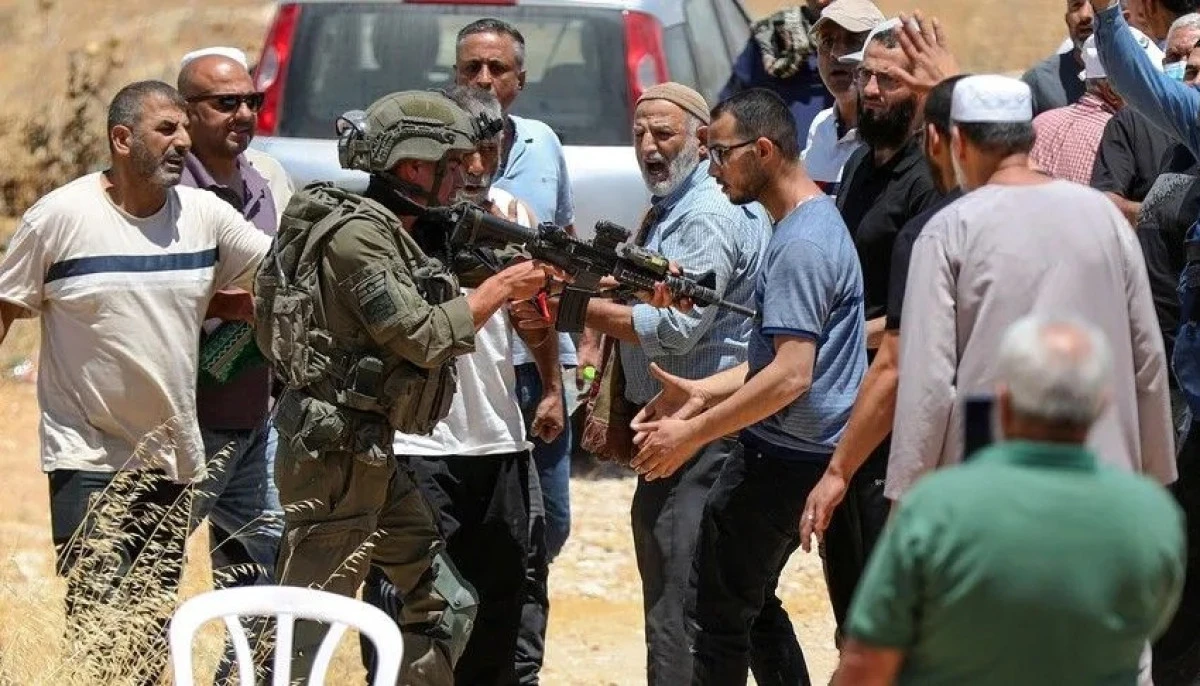
Israel’s participation comes as criticism over the war in Gaza continues to grow across parts of Europe, with activists and some public figures questioning its inclusion when Russia remains excluded for its war in Ukraine.
“If Eurovision excluded Russia over what happened in Ukraine, why did they not exclude Israel for what it did in Palestine, Gaza, Lebanon, Syria? So, I think it’s political,” Ciccone said.
‘Eurovision is not just music anymore’
Eurovision was originally conceived as a cultural project aimed at bringing European countries together after World War II. But Ciccone argues that geopolitical interests now shape the competition far more openly.
“Eurovision was meant to be a moment of festival when different cultures meet each other, but it also became a part of a political plan. Eurovision is not just music anymore. It’s political.”
At the center of the criticism is what activists describe as “Zionist-washing” – the use of cultural events to soften or normalize perceptions of Israeli policies.
“We call it ‘Zionist-washing,’ what they do every year in Eurovision,” Ciccone said. “They present with a clean face. They present with a good song. They present with music, with dance.”
According to Ciccone, Israel’s presence in Eurovision also serves a broader symbolic purpose by reinforcing its place within a European cultural identity.
“To maintain, for the people who watch the Eurovision Song Contest, the feeling that Israel is more European than other countries, make people link themselves with Zionistic policies.”
He also questioned the political and financial dynamics behind Israel’s continued participation.
“The real question is, is it a more economic deal or a political deal, and what's the money behind this?”
“We know, and this is evidenced, that Israel puts much money in propaganda” through paid influencers and by investing in cultural propaganda, he added.
Pressure inside Italy’s broadcaster
The debate has also reached inside RAI itself, where some workers and journalists pushed for Italy to reconsider its role in the competition.
Italy is one of Eurovision’s “Big Five” countries – alongside France, Germany, Spain and the UK – whose broadcasters make the largest financial contributions and automatically qualify for the final.
Ciccone said some at RAI believed Italy should have followed countries that publicly criticized Israel’s participation.
“When Israel confirmed its participation in Eurovision, we thought in a way that we should have, in some way, follow the example of other countries and withdraw from this competition like Spain did, or Ireland did.”
“Spain, like Italy, is part of the Big Five, and so it’s a very strong signal if two of the Big Five that put money in this contest would withdraw.” Besides Ireland and Spain, Iceland, the Netherlands and Slovenia are also boycotting the event.
Although RAI ultimately decided to continue participating, Ciccone said opposition among media workers has continued to grow.
A petition launched by USB-RAI gathered support from journalists, cultural workers and artists, reflecting wider frustration among parts of the entertainment industry over what they see as double standards within European cultural institutions.
As Eurovision week unfolds in Vienna, demonstrations and boycott campaigns are expected to continue around the event, underscoring how the contest has increasingly become a battleground for wider political debates.
Yorumunuz başarıyla alındı, inceleme ardından en kısa sürede yayına alınacaktır.