

Srebrenica genocide victim to be buried 31 years after disappearance
ENGLISH 09.07.2026 - 19:59, Güncelleme: 09.07.2026 - 19:59
 

Srebrenica genocide victim to be buried 31 years after disappearance

Nuko Nukic, a deaf and mute Bosniak killed after 1995 fall of Srebrenica, was identified through DNA analysis and will be among 10 victims buried during this year's commemoration
The remains of Nuko Nukic, a deaf and mute victim of the 1995 Srebrenica genocide in eastern Bosnia and Herzegovina, will be laid to rest 31 years after he was killed. Nukic, who was 38 at the time of his death, was among the victims murdered after Bosnian Serb forces overran the UN-declared safe area of Srebrenica on July 11, 1995. He disappeared while trying to reach territory controlled by Bosniak forces during the summer of 1995 and was never seen again. His remains, identified years later through DNA analysis, are among those of 10 genocide victims to be buried during this year's commemoration ceremonies at the Potocari Memorial Cemetery. ‘No one heard from him again’ Speaking with Anadolu, Nuko's cousin and the only surviving member of his immediate family, Osman Nukic, described the family's decades-long search for the victim. "Those who saw him last said he was very frightened and worried. After that, no one heard from him again," the 80-year-old Sarajevo resident said. Osman Nukic said Nuko's elderly mother was the only close relative alive when he disappeared. She provided a DNA sample after the war in the hope of identifying her son's remains but died in a nursing home in Tuzla in the early 2000s before a match was found. "She was the last surviving member of the family. Nuko's father died in 1962, his brother in 1989, and his sister was killed in 1993," he said. "His mother gave blood for DNA analysis while she was alive, but there was no match. After her death, her grave was exhumed so another DNA sample could be taken. That made it possible to confirm Nuko's identity." Osman Nukic said he lost 22 relatives in the Srebrenica genocide and only survived because he was in Sarajevo during the war. "It is not easy to bury a loved one in a mass funeral. But over the years, we have come to accept what happened. What matters now is to lay his bones to rest and know where he is buried," he said. The genocide On July 11, 1995, Bosnian Serb forces under the command of Ratko Mladic captured Srebrenica, a UN-protected safe area. Bosniak civilians who had sought refuge with Dutch UN peacekeepers were handed over to the Serb forces. While women and children were allowed to reach Bosniak-controlled territory, at least 8,372 Bosniak men and boys were executed in forests, factories and warehouses before being buried in mass graves. In 2007, the International Court of Justice (ICJ) recognized the killings in and around Srebrenica as genocide, based on evidence presented by the International Criminal Tribunal for the former Yugoslavia. Since the war, victims whose remains have been recovered from mass graves and identified through DNA analysis have been buried each year on July 11 at the Potocari Memorial Cemetery. So far, 6,772 victims have been buried at Potocari, while 250 others were laid to rest in local cemeteries at the request of their families. More than 1,000 victims of the genocide remain missing. The remains of identified genocide victims have been recovered from 150 locations, including 77 mass graves.
Nuko Nukic, a deaf and mute Bosniak killed after 1995 fall of Srebrenica, was identified through DNA analysis and will be among 10 victims buried during this year's commemoration

The remains of Nuko Nukic, a deaf and mute victim of the 1995 Srebrenica genocide in eastern Bosnia and Herzegovina, will be laid to rest 31 years after he was killed.

Nukic, who was 38 at the time of his death, was among the victims murdered after Bosnian Serb forces overran the UN-declared safe area of Srebrenica on July 11, 1995.

He disappeared while trying to reach territory controlled by Bosniak forces during the summer of 1995 and was never seen again.

His remains, identified years later through DNA analysis, are among those of 10 genocide victims to be buried during this year's commemoration ceremonies at the Potocari Memorial Cemetery.

‘No one heard from him again’

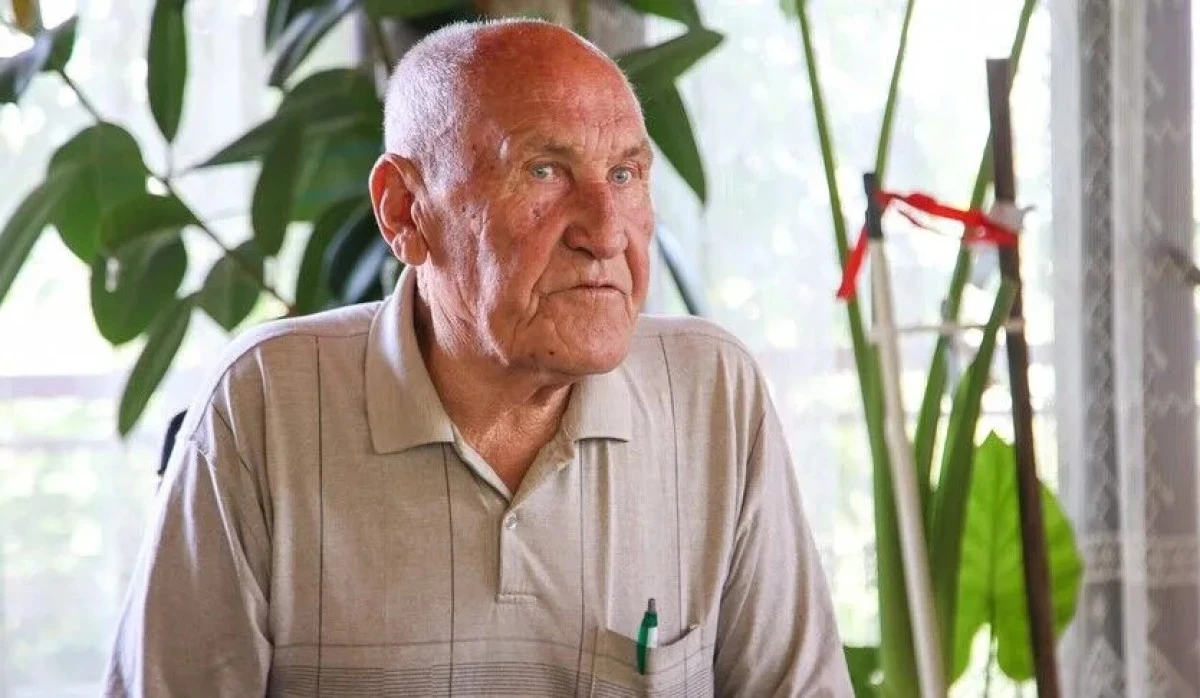
Speaking with Anadolu, Nuko's cousin and the only surviving member of his immediate family, Osman Nukic, described the family's decades-long search for the victim.

"Those who saw him last said he was very frightened and worried. After that, no one heard from him again," the 80-year-old Sarajevo resident said.

Osman Nukic said Nuko's elderly mother was the only close relative alive when he disappeared.

She provided a DNA sample after the war in the hope of identifying her son's remains but died in a nursing home in Tuzla in the early 2000s before a match was found.

"She was the last surviving member of the family. Nuko's father died in 1962, his brother in 1989, and his sister was killed in 1993," he said.

"His mother gave blood for DNA analysis while she was alive, but there was no match. After her death, her grave was exhumed so another DNA sample could be taken. That made it possible to confirm Nuko's identity."

Osman Nukic said he lost 22 relatives in the Srebrenica genocide and only survived because he was in Sarajevo during the war.

"It is not easy to bury a loved one in a mass funeral. But over the years, we have come to accept what happened. What matters now is to lay his bones to rest and know where he is buried," he said.

The genocide

On July 11, 1995, Bosnian Serb forces under the command of Ratko Mladic captured Srebrenica, a UN-protected safe area. Bosniak civilians who had sought refuge with Dutch UN peacekeepers were handed over to the Serb forces.

While women and children were allowed to reach Bosniak-controlled territory, at least 8,372 Bosniak men and boys were executed in forests, factories and warehouses before being buried in mass graves.

In 2007, the International Court of Justice (ICJ) recognized the killings in and around Srebrenica as genocide, based on evidence presented by the International Criminal Tribunal for the former Yugoslavia.

Since the war, victims whose remains have been recovered from mass graves and identified through DNA analysis have been buried each year on July 11 at the Potocari Memorial Cemetery.

So far, 6,772 victims have been buried at Potocari, while 250 others were laid to rest in local cemeteries at the request of their families. More than 1,000 victims of the genocide remain missing.

The remains of identified genocide victims have been recovered from 150 locations, including 77 mass graves.

Habere ifade bırak !
Habere ait etiket tanımlanmamış.
Okuyucu Yorumları (0)

Yorumunuz başarıyla alındı, inceleme ardından en kısa sürede yayına alınacaktır.
Yorum yazarak Topluluk Kuralları’nı kabul etmiş bulunuyor ve turkishpress.co.uk sitesine yaptığınız yorumunuzla ilgili doğrudan veya dolaylı tüm sorumluluğu tek başınıza üstleniyorsunuz. Yazılan tüm yorumlardan site yönetimi hiçbir şekilde sorumlu tutulamaz.
Sitemizden en iyi şekilde faydalanabilmeniz için çerezler kullanılmaktadır, sitemizi kullanarak çerezleri kabul etmiş saylırsınız.