

Türkiye’s booming trade with Africa prioritizes tech transfers, mutual growth
ENGLISH 09.07.2026 - 16:45, Güncelleme: 09.07.2026 - 16:45
 

Türkiye’s booming trade with Africa prioritizes tech transfers, mutual growth

Turkish business community shifts focus from short-term trade to joint production, job creation, long-term investments, driving Türkiye’s success in African market with shared value creation, know-how transfer, says Türkiye-Africa business council
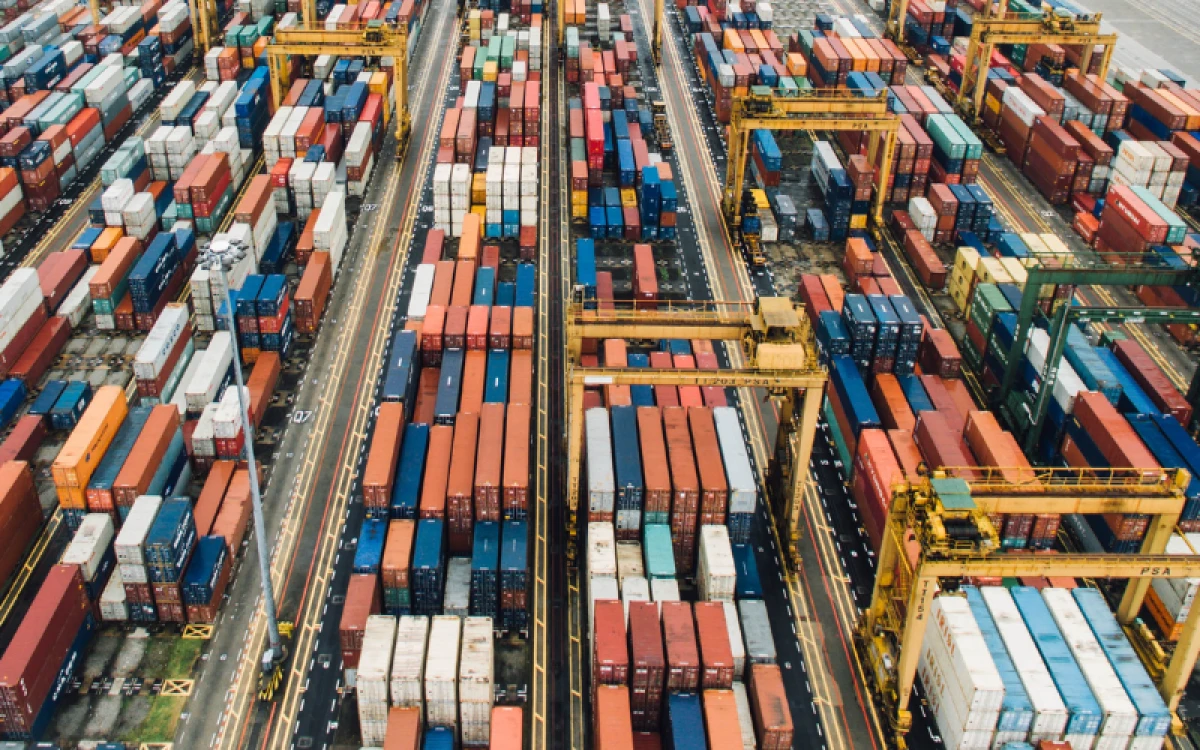
Turkish exports surged 12% to $11 billion in the first half of the year, leading business leaders to highlight the continent’s shift toward long-term partnerships through the dynamism of the private sector. This is as the Turkish private sector focuses on fostering deeper partnerships with know-how transfer and mutual growth. Osman Aksoy, chair of the Türkiye-Africa business council at the Foreign Economic Relations Board (DEIK), told Anadolu that the export success was facilitated by intense diplomatic traffic and mutual visits in the last two years, driving up Türkiye’s trade volumes with African nations. Aksoy stated that the Joint Economic Commission conferences and the Türkiye-Africa Business and Economic Forum have been vital in establishing the path the Turkish business community took to success in achieving surging exports. He noted that the transformations in the global system led to new shifts opening up unprecedented opportunities for Turkish firms across Africa, as African nations are no longer seeking mere partners to provide financing, but instead countries that are willing to share technology, carry out joint production and develop human resources. “Türkiye approaches Africa not by imposing conditions but by producing together, creating value, and seeking long-term partnerships, fostering trust across the continent,” he said. “We wish to produce more in Africa, make investments, and establish lasting partnerships.” “The growing effectiveness of the African Continental Free Trade Area (AfCFTA), Turkish Airlines’ strong network of connections across the continent, Turkish contractors’ project experience in Africa having exceeded $100 billion to date and the political will fostered by high-level mutual visits all point to our exports continuing to grow in the coming period,” he added. Aksoy said that rising exports to Egypt, seeing the largest value increase at $394.4 million, showed revitalization in Türkiye-Egypt trade reflected by relations initiated by Turkish President Recep Tayyip Erdogan’s visit to Cairo, as the restoration of mutual trust, political dialogue and accelerated diplomacy led the Turkish private sector to capitalize on Egypt’s domestic market of 110 million. Egypt’s geographical location along the Suez Canal, its developing industrial zones and logistical advantages present opportunities for Turkish investments in textiles, petrochemicals, and more. Aksoy noted that Morocco became the top African destination for Turkish exports in the first half at $2.1 billion due to that country’s long-standing stable economic policies and pro-investment reforms. He noted that Morocco transformed into a production and distribution hub for West Africa and Europe, the process of which was facilitated by the logistical advantages of the Tanger Med Port and renewable energy developments. “We believe that transportation, urban planning, and infrastructure investments to be made as a part of the 2030 FIFA World Cup, which will be co-hosted by Morocco, will create opportunities for the Turkish construction sector, building material manufacturers, and services sectors,” he said. Aksoy stated that strengthening human capital will be key in the coming period in Türkiye-Africa economic relations, as the continent boasts the world’s youngest population, fastest-urbanizing economies and the greatest development potential with a massive common market of more than 1.4 billion people. “We need to further reinforce our strengths with larger institutional capacity, financial instruments, digital transformation, local partnerships, and long-term strategic planning, as the companies that will succeed in Africa are those that manufacture, create jobs, share know-how and contribute to the development of African economies -- a fundamental aspect that distinguishes Türkiye’s approach to Africa from that of many other actors,” he added. In the first six months of the year, Morocco became the top destination for Turkish exports in Africa, receiving $2.1 billion, up 19.1% year-on-year, followed by Egypt with $1.9 billion and Libya with $1.3 billion, according to data from the Turkish Exporters’ Assembly (TIM). In terms of the rate of increase, Turkish exports to Egypt surged the most by $349.4 million, followed by Morocco with $345.6 million and Nigeria with $151 million. They were followed by South Africa with $109 million, Djibouti with $93.8 million, Mali with $84 million, Ethiopia with $71.5 million, Liberia with $66 million, Tunisia with $64.5 million and Somalia with an increase of $51.3 million. Turkish exports to Africa in June surged 32% to $1.9 billion, data showed.
Turkish business community shifts focus from short-term trade to joint production, job creation, long-term investments, driving Türkiye’s success in African market with shared value creation, know-how transfer, says Türkiye-Africa business council

Turkish exports surged 12% to $11 billion in the first half of the year, leading business leaders to highlight the continent’s shift toward long-term partnerships through the dynamism of the private sector.

This is as the Turkish private sector focuses on fostering deeper partnerships with know-how transfer and mutual growth.

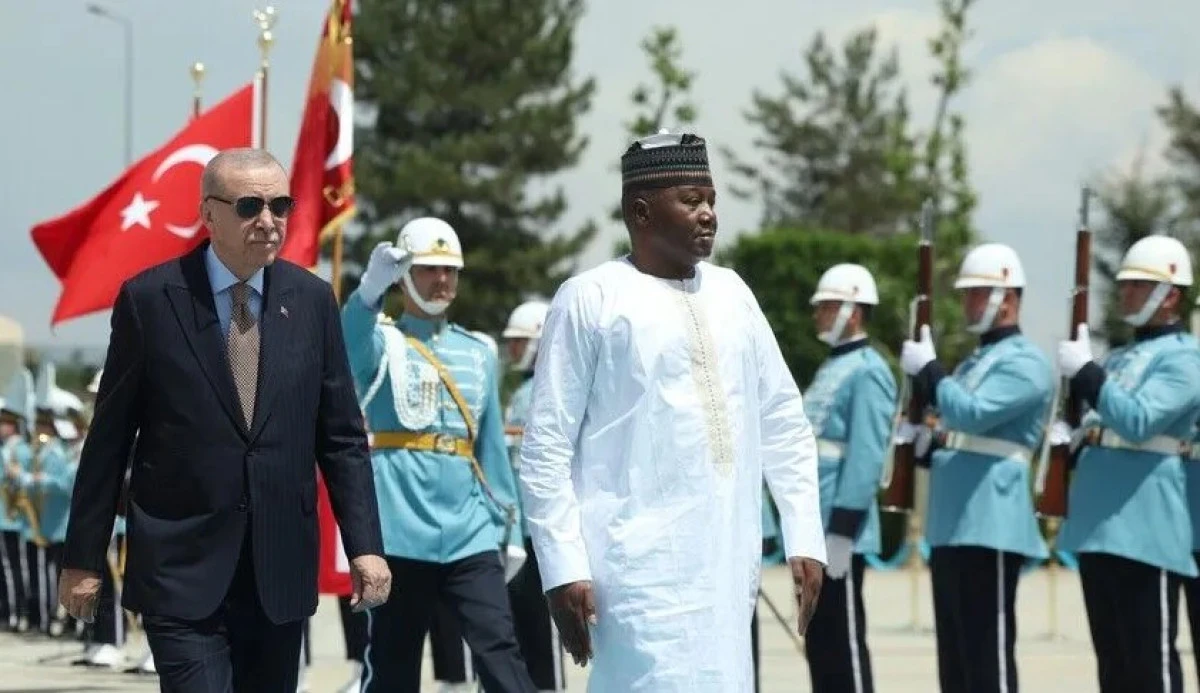
Osman Aksoy, chair of the Türkiye-Africa business council at the Foreign Economic Relations Board (DEIK), told Anadolu that the export success was facilitated by intense diplomatic traffic and mutual visits in the last two years, driving up Türkiye’s trade volumes with African nations.

Aksoy stated that the Joint Economic Commission conferences and the Türkiye-Africa Business and Economic Forum have been vital in establishing the path the Turkish business community took to success in achieving surging exports.

He noted that the transformations in the global system led to new shifts opening up unprecedented opportunities for Turkish firms across Africa, as African nations are no longer seeking mere partners to provide financing, but instead countries that are willing to share technology, carry out joint production and develop human resources.

“Türkiye approaches Africa not by imposing conditions but by producing together, creating value, and seeking long-term partnerships, fostering trust across the continent,” he said. “We wish to produce more in Africa, make investments, and establish lasting partnerships.”

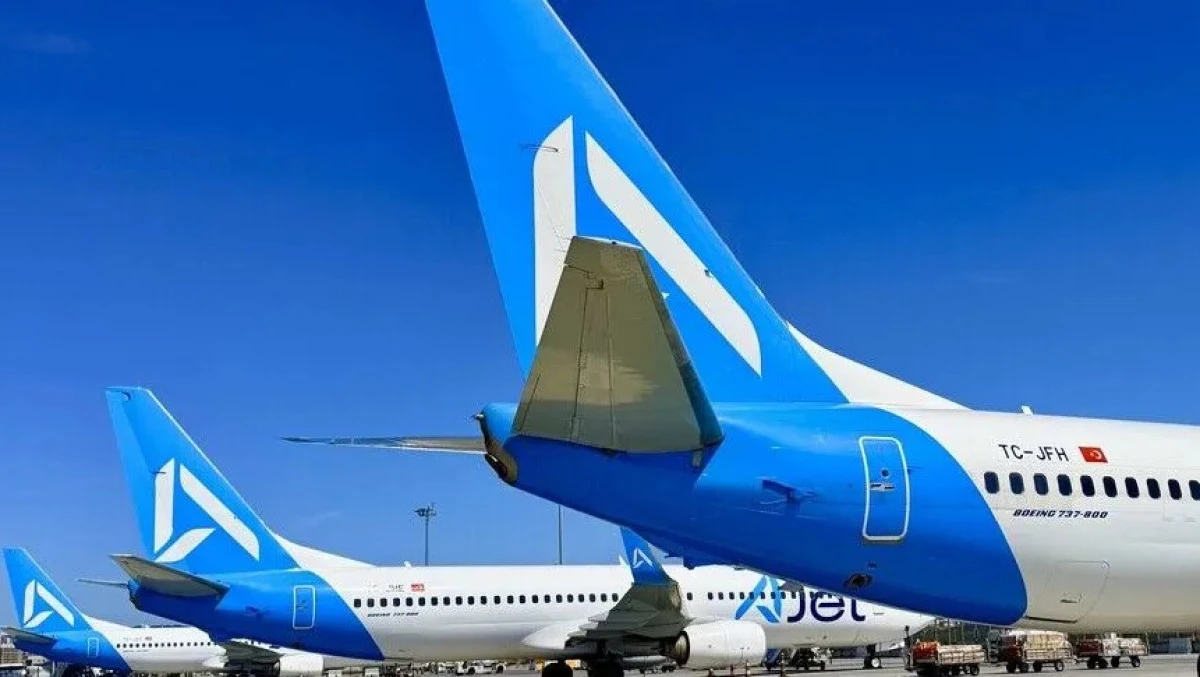
“The growing effectiveness of the African Continental Free Trade Area (AfCFTA), Turkish Airlines’ strong network of connections across the continent, Turkish contractors’ project experience in Africa having exceeded $100 billion to date and the political will fostered by high-level mutual visits all point to our exports continuing to grow in the coming period,” he added.

Aksoy said that rising exports to Egypt, seeing the largest value increase at $394.4 million, showed revitalization in Türkiye-Egypt trade reflected by relations initiated by Turkish President Recep Tayyip Erdogan’s visit to Cairo, as the restoration of mutual trust, political dialogue and accelerated diplomacy led the Turkish private sector to capitalize on Egypt’s domestic market of 110 million.

Egypt’s geographical location along the Suez Canal, its developing industrial zones and logistical advantages present opportunities for Turkish investments in textiles, petrochemicals, and more.

Aksoy noted that Morocco became the top African destination for Turkish exports in the first half at $2.1 billion due to that country’s long-standing stable economic policies and pro-investment reforms.

He noted that Morocco transformed into a production and distribution hub for West Africa and Europe, the process of which was facilitated by the logistical advantages of the Tanger Med Port and renewable energy developments.

“We believe that transportation, urban planning, and infrastructure investments to be made as a part of the 2030 FIFA World Cup, which will be co-hosted by Morocco, will create opportunities for the Turkish construction sector, building material manufacturers, and services sectors,” he said.

Aksoy stated that strengthening human capital will be key in the coming period in Türkiye-Africa economic relations, as the continent boasts the world’s youngest population, fastest-urbanizing economies and the greatest development potential with a massive common market of more than 1.4 billion people.

“We need to further reinforce our strengths with larger institutional capacity, financial instruments, digital transformation, local partnerships, and long-term strategic planning, as the companies that will succeed in Africa are those that manufacture, create jobs, share know-how and contribute to the development of African economies -- a fundamental aspect that distinguishes Türkiye’s approach to Africa from that of many other actors,” he added.

In the first six months of the year, Morocco became the top destination for Turkish exports in Africa, receiving $2.1 billion, up 19.1% year-on-year, followed by Egypt with $1.9 billion and Libya with $1.3 billion, according to data from the Turkish Exporters’ Assembly (TIM).

In terms of the rate of increase, Turkish exports to Egypt surged the most by $349.4 million, followed by Morocco with $345.6 million and Nigeria with $151 million.

They were followed by South Africa with $109 million, Djibouti with $93.8 million, Mali with $84 million, Ethiopia with $71.5 million, Liberia with $66 million, Tunisia with $64.5 million and Somalia with an increase of $51.3 million.

Turkish exports to Africa in June surged 32% to $1.9 billion, data showed.

Habere ifade bırak !
Habere ait etiket tanımlanmamış.
Okuyucu Yorumları (0)

Yorumunuz başarıyla alındı, inceleme ardından en kısa sürede yayına alınacaktır.
Yorum yazarak Topluluk Kuralları’nı kabul etmiş bulunuyor ve turkishpress.co.uk sitesine yaptığınız yorumunuzla ilgili doğrudan veya dolaylı tüm sorumluluğu tek başınıza üstleniyorsunuz. Yazılan tüm yorumlardan site yönetimi hiçbir şekilde sorumlu tutulamaz.
Sitemizden en iyi şekilde faydalanabilmeniz için çerezler kullanılmaktadır, sitemizi kullanarak çerezleri kabul etmiş saylırsınız.