

Hormuz traffic nearly halts as renewed US-Iran strikes rattle energy shipping
ENGLISH 09.07.2026 - 11:46, Güncelleme: 09.07.2026 - 11:46
 

Hormuz traffic nearly halts as renewed US-Iran strikes rattle energy shipping

Visible movements concentrated on Iranian-approved northern route, while US-backed Omani corridor remains quiet, ship tracking data show
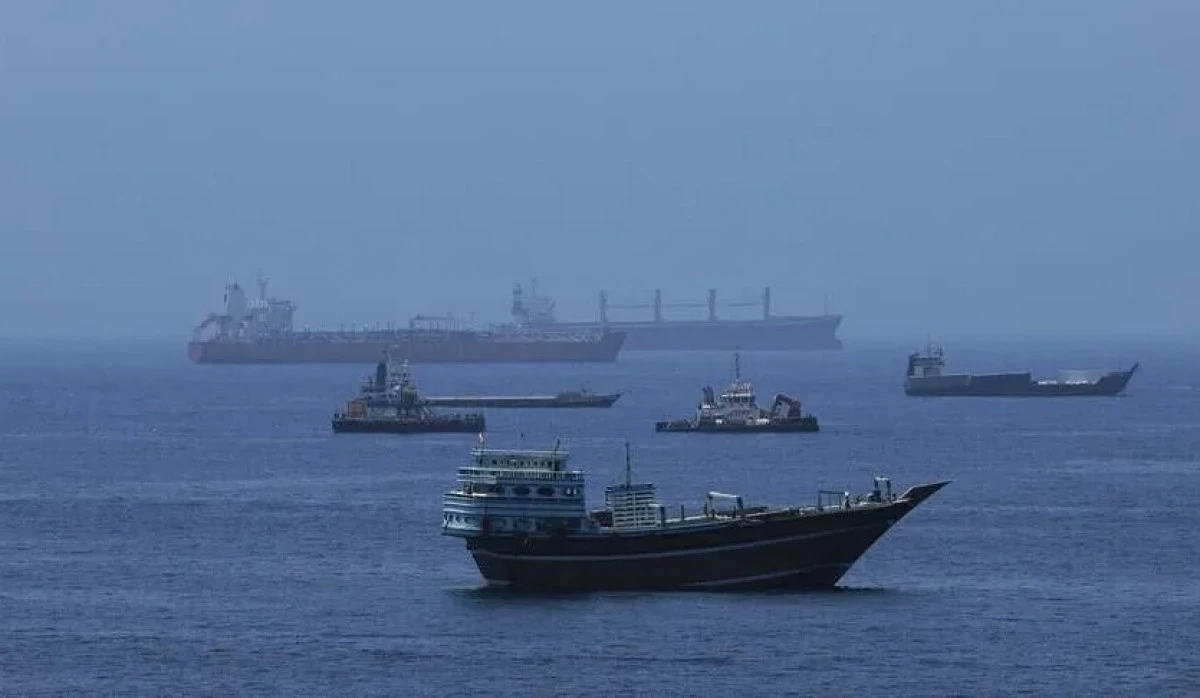
Ship traffic through the Strait of Hormuz slowed to a near standstill early Thursday after fresh US strikes on Iran and renewed attacks on commercial vessels again shook confidence in the world’s most important energy chokepoint. Observable vessel movements were largely concentrated along an Iranian-approved route closer to the northern side of the strait, while the US-backed Omani corridor was quiet, according to ship tracking data. Among larger vessels, only a US-sanctioned supertanker heading out of the Persian Gulf and an Iranian-flagged container ship were seen in the waterway. Public vessel data identified the container ship as the Touska, which was shown in the Strait of Hormuz as sailing under an Iranian flag. The slowdown marks a sharp reversal from the brief recovery that followed the interim US-Iran agreement in mid-June, which had reopened the strait and allowed delayed cargoes to begin clearing the Gulf. Some 14 commodity carriers crossed the strait in both directions on Wednesday, the lowest number since the interim peace deal was reached, according to Kpler data cited by Bloomberg. Average daily transits of commodity vessels stood at 34 in the three weeks after the deal, with crossings peaking at 59 on June 24. The latest disruption followed a new wave of attacks on ships near the strait, including a Qatari LNG carrier and Saudi-linked crude tanker, which prompted Washington to launch fresh strikes on Iranian targets. US President Donald Trump also said the ceasefire with Iran was over. LNG tanker movements through the strait remained stalled, while two empty vessels recently entered the Gulf of Oman and headed toward the eastern entrance of Hormuz. Recent ship-tracking reports identified several vessels affected by the wider disruption, including QatarEnergy-controlled LNG carriers Al Ghariya, Duhail and Al Ruwais, which turned away from the strait, and the Indian-flagged VLCC Lila Vadinar, which made a U-turn off Oman while carrying Kuwaiti crude. Other crude carriers, including Mercury Hope, Tenjun and Pertamina Pride, managed to exit the strait earlier this week despite the deteriorating security environment. There were also signs of renewed electronic interference in the Gulf of Oman, with some vessels appearing on tracking systems moving at unusually high speeds near Oman. Such anomalies can indicate navigation signal disruption and may affect the reliability of vessel-tracking data. The Strait of Hormuz is a critical route for global energy trade, carrying about 20 million barrels per day of crude oil and oil products in 2025, around a quarter of global seaborne oil trade, according to the International Energy Agency. The agency also says most LNG exports from Qatar and the United Arab Emirates transit the waterway, making any prolonged disruption a major risk for global oil and gas markets.
Visible movements concentrated on Iranian-approved northern route, while US-backed Omani corridor remains quiet, ship tracking data show

Ship traffic through the Strait of Hormuz slowed to a near standstill early Thursday after fresh US strikes on Iran and renewed attacks on commercial vessels again shook confidence in the world’s most important energy chokepoint.

Observable vessel movements were largely concentrated along an Iranian-approved route closer to the northern side of the strait, while the US-backed Omani corridor was quiet, according to ship tracking data.

Among larger vessels, only a US-sanctioned supertanker heading out of the Persian Gulf and an Iranian-flagged container ship were seen in the waterway. Public vessel data identified the container ship as the Touska, which was shown in the Strait of Hormuz as sailing under an Iranian flag.

The slowdown marks a sharp reversal from the brief recovery that followed the interim US-Iran agreement in mid-June, which had reopened the strait and allowed delayed cargoes to begin clearing the Gulf.

Some 14 commodity carriers crossed the strait in both directions on Wednesday, the lowest number since the interim peace deal was reached, according to Kpler data cited by Bloomberg. Average daily transits of commodity vessels stood at 34 in the three weeks after the deal, with crossings peaking at 59 on June 24.

The latest disruption followed a new wave of attacks on ships near the strait, including a Qatari LNG carrier and Saudi-linked crude tanker, which prompted Washington to launch fresh strikes on Iranian targets. US President Donald Trump also said the ceasefire with Iran was over.

LNG tanker movements through the strait remained stalled, while two empty vessels recently entered the Gulf of Oman and headed toward the eastern entrance of Hormuz.

Recent ship-tracking reports identified several vessels affected by the wider disruption, including QatarEnergy-controlled LNG carriers Al Ghariya, Duhail and Al Ruwais, which turned away from the strait, and the Indian-flagged VLCC Lila Vadinar, which made a U-turn off Oman while carrying Kuwaiti crude.

Other crude carriers, including Mercury Hope, Tenjun and Pertamina Pride, managed to exit the strait earlier this week despite the deteriorating security environment.

There were also signs of renewed electronic interference in the Gulf of Oman, with some vessels appearing on tracking systems moving at unusually high speeds near Oman. Such anomalies can indicate navigation signal disruption and may affect the reliability of vessel-tracking data.

The Strait of Hormuz is a critical route for global energy trade, carrying about 20 million barrels per day of crude oil and oil products in 2025, around a quarter of global seaborne oil trade, according to the International Energy Agency. The agency also says most LNG exports from Qatar and the United Arab Emirates transit the waterway, making any prolonged disruption a major risk for global oil and gas markets.

Habere ifade bırak !
Habere ait etiket tanımlanmamış.
Okuyucu Yorumları (0)

Yorumunuz başarıyla alındı, inceleme ardından en kısa sürede yayına alınacaktır.
Yorum yazarak Topluluk Kuralları’nı kabul etmiş bulunuyor ve turkishpress.co.uk sitesine yaptığınız yorumunuzla ilgili doğrudan veya dolaylı tüm sorumluluğu tek başınıza üstleniyorsunuz. Yazılan tüm yorumlardan site yönetimi hiçbir şekilde sorumlu tutulamaz.
Sitemizden en iyi şekilde faydalanabilmeniz için çerezler kullanılmaktadır, sitemizi kullanarak çerezleri kabul etmiş saylırsınız.